

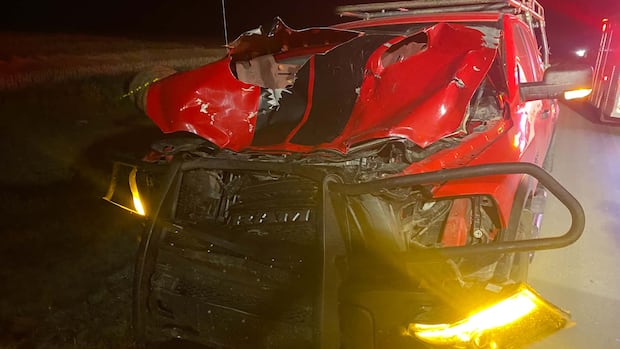

Robert Belley claims that a few metal bars on his truck were crucial in saving his life.
“I realized we struck something … I could still see the moose attempting to cross the highway. It was still alive, and then the pain hit me hard,” Belley reflects.
On a fall evening in 2024, he and his wife collided with a moose near Lanigan.
Now, two years later, he has limited use of his left hand, which has hindered his ability to work in construction, and he has faced challenges in receiving sufficient compensation to make up for his lost earnings.
Saskatchewan Government Insurance (SGI) is cautioning the public about the risks of wildlife collisions, particularly during this time of year when moose and deer are more frequently crossing roads.
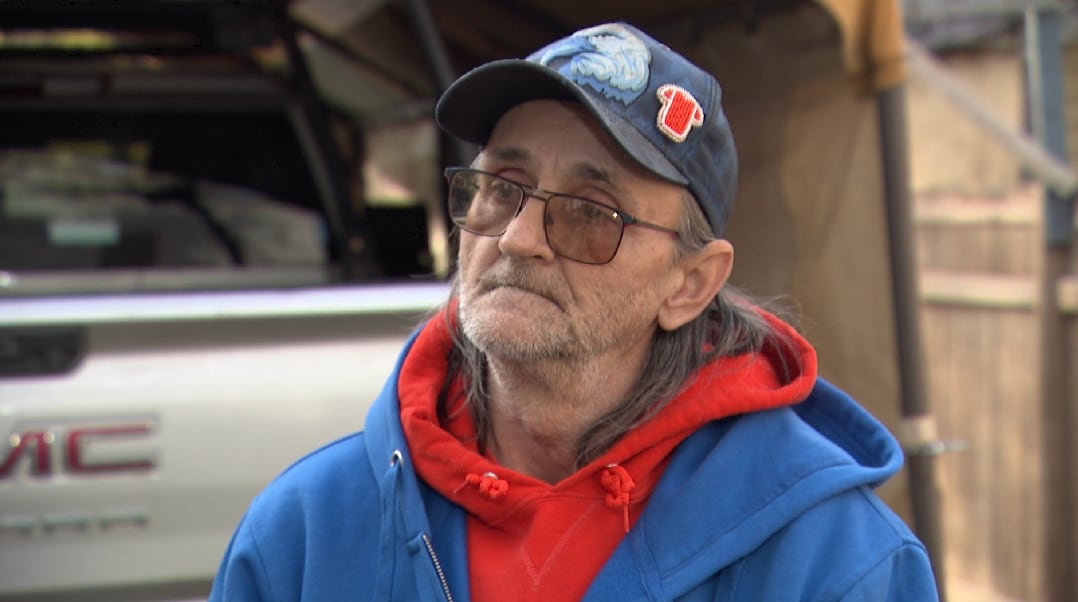
Robert Belley states that a moose would have crashed through his vehicle if not for the bars he had added to the front. (Chanss Lagaden/CBC)
The provincial insurance agency reports approximately 8,800 wildlife-related accidents occur annually, resulting in an average of 400 injuries and two fatalities over the past five years.
Belley expressed his desire for individuals to take the threats more seriously.
“It’s no laughing matter. It can cause serious, long-lasting injuries. It can even be fatal. Drivers need to actually reduce their speed on these highways,” he asserted.
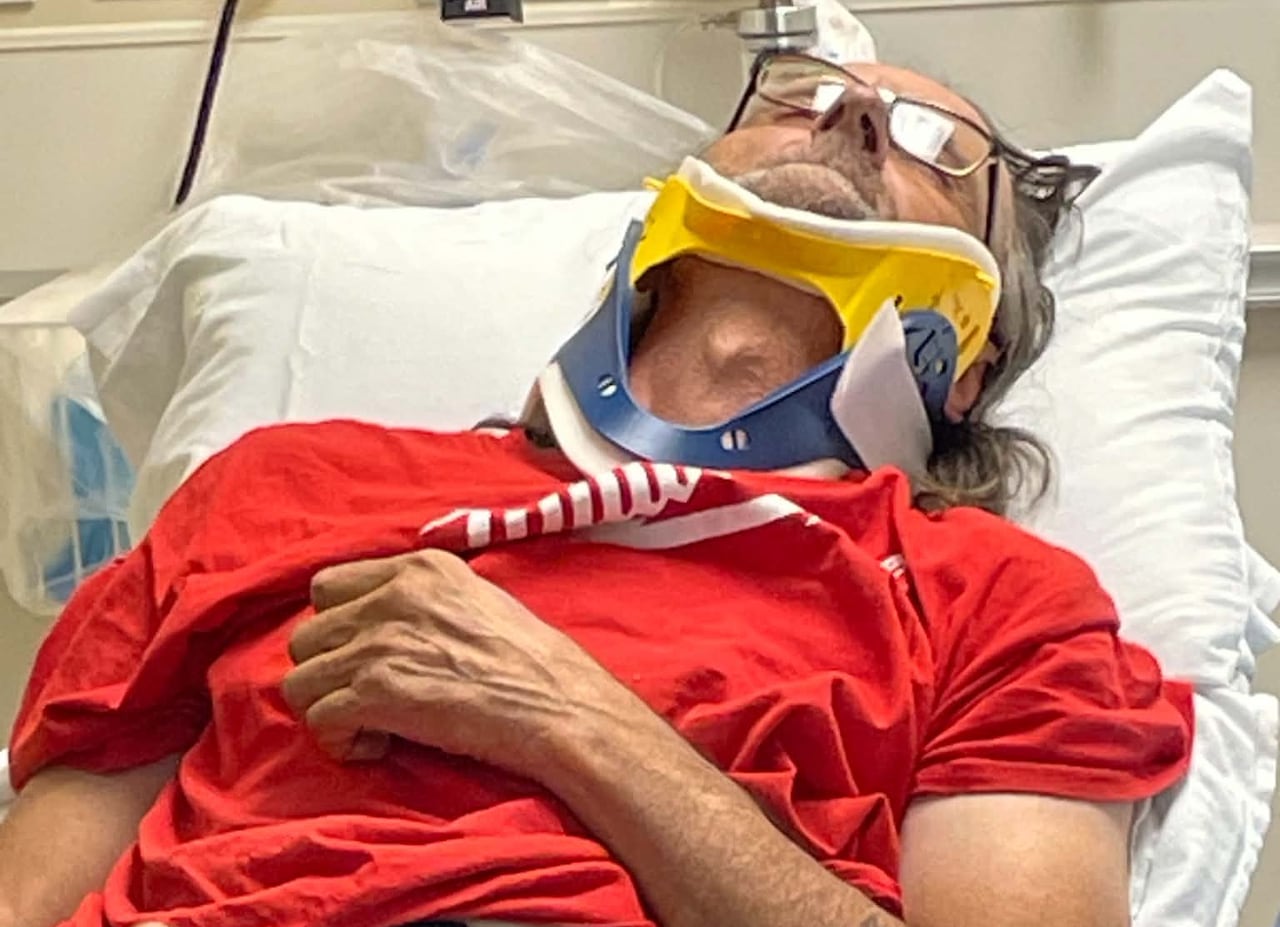
Belley reports experiencing dizziness, nerve damage, limited mobility, and psychological trauma. (Submitted by Robert Belley)
Troy Corbett, director of traffic safety community engagement at SGI, noted that fall is typically a peak season for wildlife-related accidents, particularly involving deer.
“This is the time of year when they tend to be more active in their movements, possibly traveling along routes that are unfamiliar to them,” Corbett explained.
Drivers can help prevent accidents by exercising caution during times when wildlife may be more active, reducing their speed, being alert for animal crossing signs, and utilizing high beams when appropriate.
“If a collision is unavoidable, we advise remaining calm, slowing down, and steering away from the animal,” Corbett recommended.
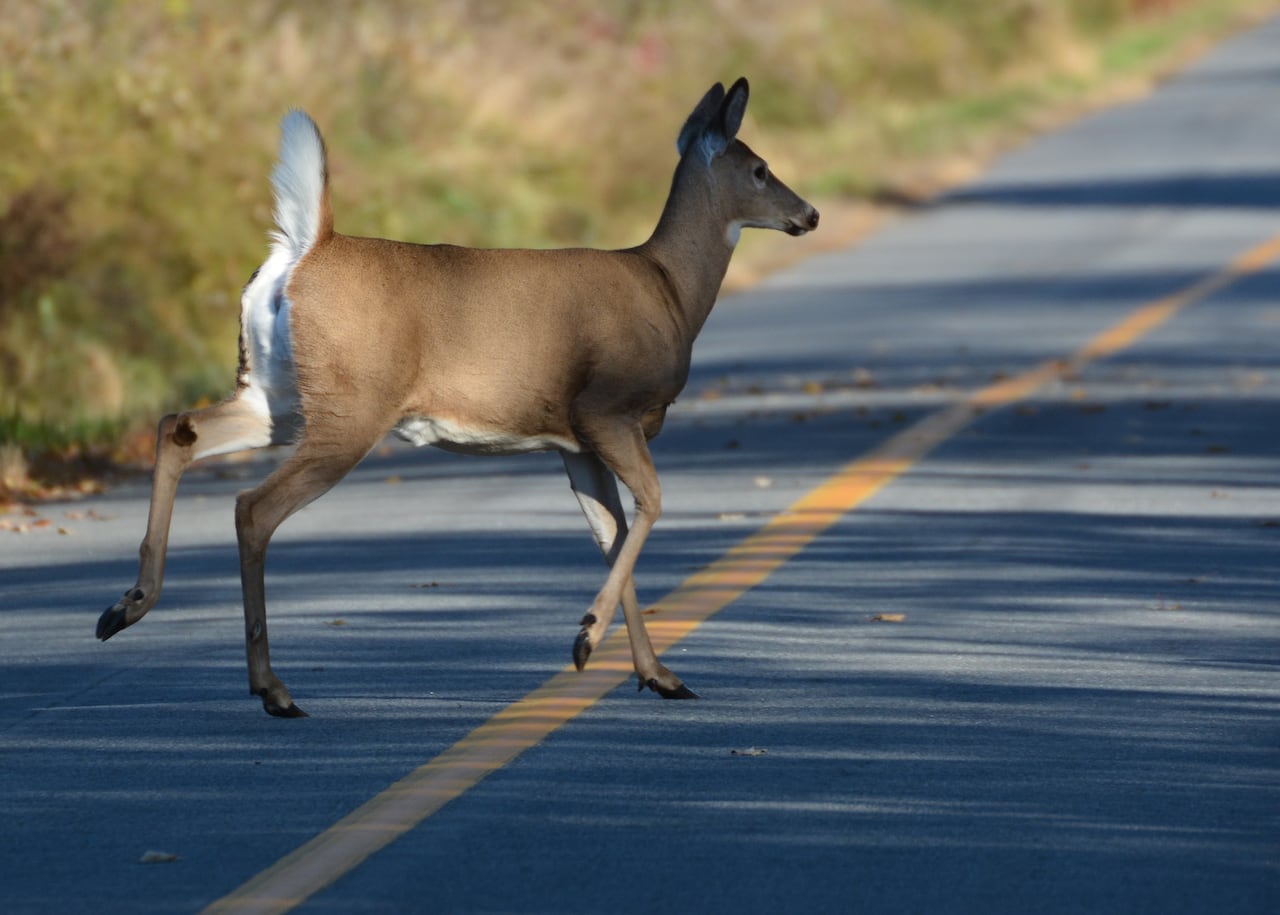
SGI asserts that while avoiding wildlife collisions entirely is impossible, drivers should take necessary precautions. (Saskatchewan Government Insurance)
SGI also advises steering towards the direction from which the animal is coming rather than where it is heading, and being particularly vigilant during dawn and dusk when visibility can be compromised.
Deer and coyotes most frequently involved in collisions, rescuer reports
Bonnie Dell, executive director of the Wildlife Rescue Society of Saskatchewan, witnesses the effects of wildlife collisions firsthand.
Several years ago, she facilitated the rescue of an adult coyote that had been struck by a vehicle near Regina at night.
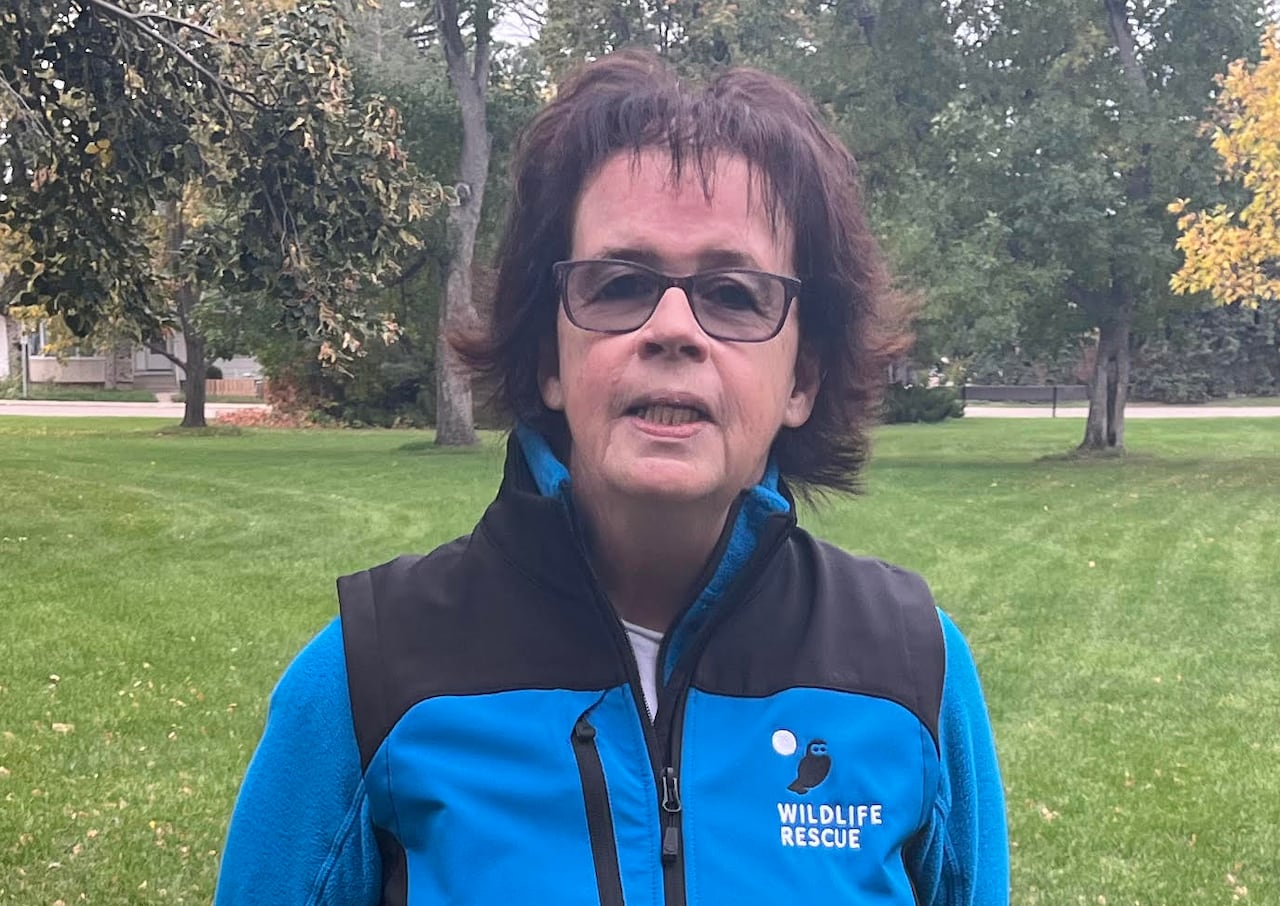
Dell encourages drivers to reach out to her organization if they wish to assist wildlife. (Maeve Ellis/CBC)
“[The driver] was aware that she had hit something but didn’t realize it was still lodged in her car’s grille when she parked in her driveway. She just took a quick look behind her and saw four legs sticking out,” Dell recounted.
A volunteer assisted in transporting the coyote to rehabilitation, and it was released six weeks later in perfect health.
Her organization receives calls regarding animal collisions at least every other day, primarily pertaining to deer and coyotes, she noted.
“Every single animal is important, and it’s a tragic statistic that deeply affects the individuals involved in the accidents. We often get calls from distraught people who don’t know what to do,” she added.
She advises individuals to contact the organization if they are uncertain about what to do next.
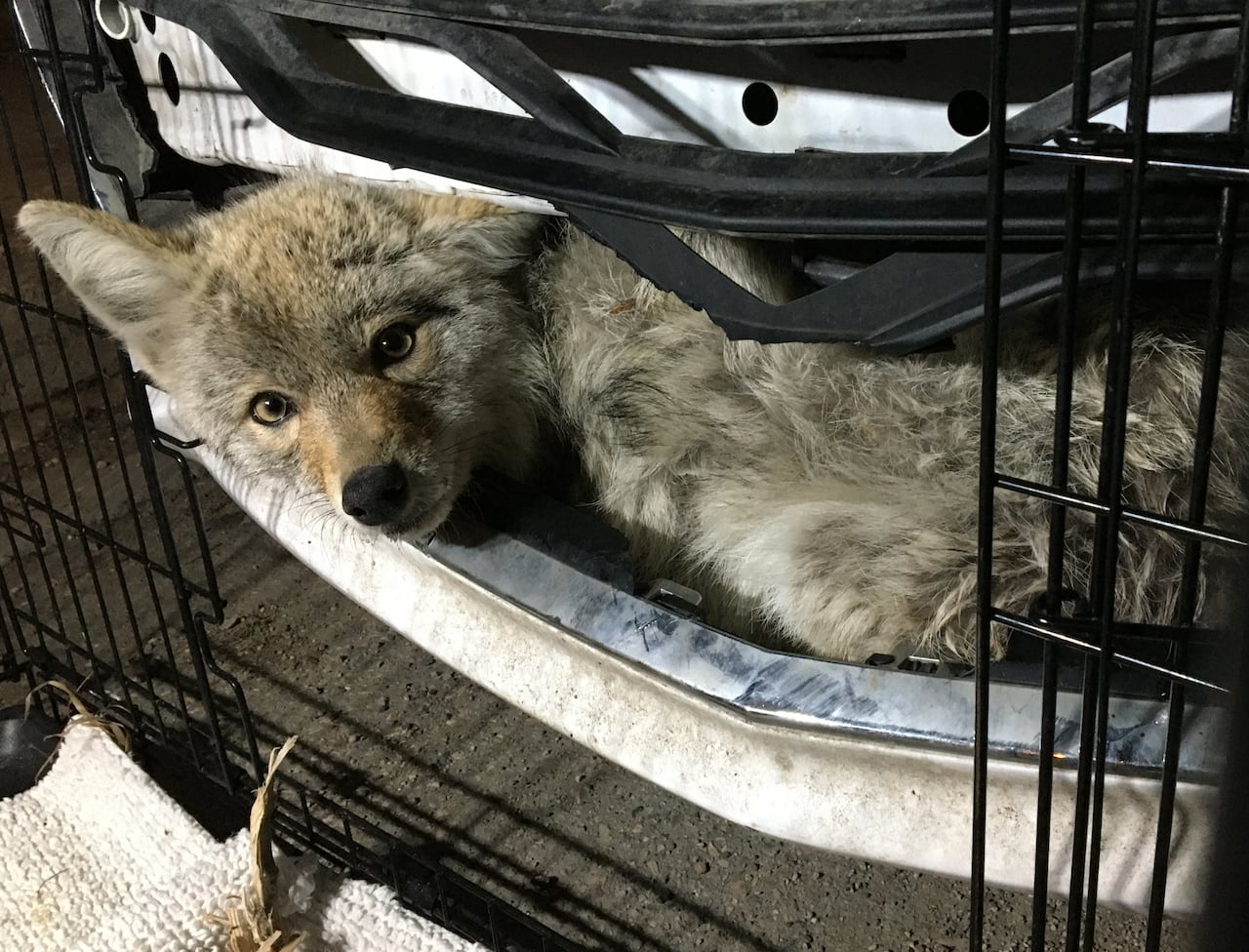
This coyote was trapped inside a car until the driver became aware of it. (Wildlife Rescue Society of Saskatchewan)
‘Like colliding with a wall’
Bernie Borgmann, owner of Hooker’s Towing and Recovery, has been involved in towing vehicles for four decades. He mentioned that 10 to 20 percent of the cases he handles are related to wildlife.
“It’s akin to hitting a wall, right? They do move, and they can bounce off your vehicle quite a bit,” he remarked.
In his storage facility, he currently has a vehicle that collided with a moose and two that struck deer, all within the past month.
“This year hasn’t been too severe, but we are just at the beginning of the season,” he noted.
His encounters with wildlife collisions have included animals breaking through windshields as well as multiple animal strikes, he shared.
“It’s traumatizing … Some individuals feel compassion because it’s the life of another being that is being taken, really … I think it makes them aware of how perilous the roads can be.”