



Recent legislation in Alberta, which mandates that oil and gas firms pay upfront for the eventual restoration of each well, appears beneficial at first glance. However, its effectiveness will largely hinge on the specifics of its implementation and enforcement, according to a rancher and advocate for landowners.
“It sounds promising on paper,” stated Bill Heidecker, president of the Alberta Surface Rights Federation, during a conversation on Thursday. “We have numerous inquiries regarding its practical application.”
The legislation, introduced as part of a larger bill on Wednesday, requires firms to make an initial payment of up to $50,000, along with yearly incremental payments for a duration of ten years. The funds will be linked to each specific well, irrespective of any changes in ownership.
These regulations are anticipated to take effect for wells drilled after April 1, 2027. The existing backlog of thousands of wells that remain inadequately closed continues to be a pressing concern.
Heidecker operates a cattle ranch near Coronation, Alberta, located in the eastern region of the province, and he reports having “a couple dozen” wells on his property, some operational and others inactive. Interacting with the industry has been a “continuous challenge,” he noted.
He seeks guarantees that firms will be held accountable for their responsibilities.
“Numerous laws and regulations exist but haven’t been enforced to the extent necessary,” he remarked.

Bill Heidecker is a rancher and serves as the President of the Alberta Surface Rights Federation. We interviewed him to learn more about a new proposal aimed at holding oil and gas companies accountable for cleaning up abandoned wells on agricultural land.
He also noted that the regulations concerning energy infrastructure beyond just wells, such as pipelines, remain vague. Furthermore, he desires clarification on the methodology used to determine cleanup costs. Are they based on current expenses or projected future ones? What happens when multiple well bores originate from a single pad? How will priorities be set for which wells to address first?
“In the current cleanup process, we’ve observed that companies often tackle the simpler, easier wells first, leaving the more complex and costly ones lower on the priority list,” he explained.
“While we appreciate this initiative, we are holding off on our final assessment until we see the results in practice.”
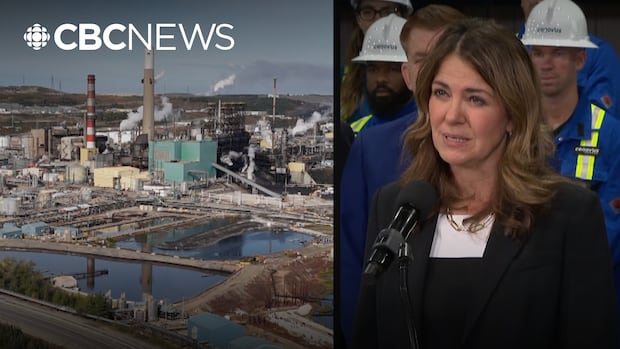
Alberta is introducing new financial incentives to encourage oil companies to increase crude production. The Premier states this is essential to support the proposed new pipeline to the West Coast. However, critics question the necessity for government assistance given that oil companies are generating substantial profits. Ina Sidhu reports.
Last week, Heidecker’s organization sent a letter to Alberta’s Premier Danielle Smith, expressing “deep dissatisfaction” with the government’s approach to energy policy and landowner rights. The letter detailed various concerns regarding both ongoing developments and dormant infrastructure. It urged landowners to withhold consent for oil and gas activity on their properties and to refrain from voluntarily signing new leases.
Heidecker reiterated the call for resistance, despite the province’s move being seen as a “step in the right direction” with the introduction of upfront closure funding.
“There are numerous other issues that need addressing,” he stated. These include the absence of firm cleanup deadlines, unpaid municipal taxes, and insufficient enforcement measures.
Meanwhile, an environmental think tank offered measured praise for the initiative.
The newly proposed regulations represent “a significant and favorable advancement toward ensuring that the industry fulfills its legal obligation to restore the environment,” commented Amanda Bryant, manager of the oil and gas program at the Pembina Institute.
However, she emphasized that for these new rules to be effective, they must include minimum standards for the financial security allocated for cleanup.
“Further measures are essential to tackle the existing inactive and orphan wells, such as establishing enforceable timelines for closing wells, implementing an inactive well fee, or increasing the orphan well levy charged to the industry to match the scale of the cleanup required,” Bryant added.
- Alberta bill would force oil and gas companies to save money for cleanup of each new well drilled
- Alberta landowners launch legal challenge over amount of money collected to clean up orphan wells
Wells are classified as orphans when there is no legally accountable party for their cleanup, such as in cases where the owner has declared bankruptcy. These wells then fall under the jurisdiction of the non-profit Orphan Well Association, which is financed through an industry fee.
The Orphan Well Levy for the fiscal year 2026-27 is set at $154.56 million. The association has estimated the total cleanup costs for its inventory to be $1.66 billion. Advocates for landowners argue that the current levy is insufficient to address the magnitude of the backlog, and there are concerns regarding the health and environmental risks posed by potential contamination from inadequately managed wells.
Heidecker’s organization is involved in a lawsuit filed in September by landowners contesting what they describe as the Alberta Energy Regulator’s “chronic underfunding” of the Orphan Well Levy, the amount of which is set by the Alberta government based on the regulator’s recommendations.
The latest report from the Orphan Well Association indicates that there are 7,328 wells awaiting decommissioning, a process that involves permanently dismantling equipment to ensure the site is safe. Additionally, 9,258 locations require reclamation, which entails restoring the land to its original condition.
In the fiscal year 2025-26, the total expenses for decommissioning and reclaiming a well exceeded $56,000.
Brian Jean, Alberta’s Minister of Energy and Minerals, mentioned that the costs associated with funding the new Resource Asset Closure Assurance and Stewardship Fund should not adversely affect the industry. He estimates that the payments will amount to an initial one percent of the drilling cost, plus another one percent from the incremental payments over the subsequent ten years.
During a press briefing on Thursday, he remarked that as companies improve their efficiency and reduce costs, “there are genuinely promising opportunities for profit.” According to the legislation, companies will have access to the funds that will have accrued compound interest over the years once reclamation is finalized.
Jean also stated that if companies fail to provide the deposit, they will be ineligible for a drilling license.
“This is simply part of doing business,” he affirmed.
“In reality, this is a highly innovative strategy. It’s a unique approach — the first of its kind globally — and it’s set to succeed.”