

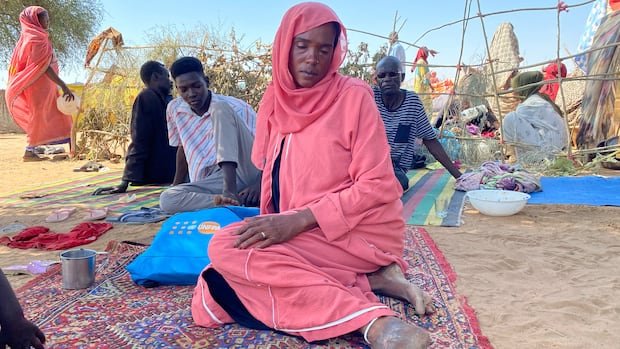

Reports of mass killings in the Sudanese city of El Fasher persist following the takeover by rebel forces, culminating in an 18-month siege and escalating concerns over a significant humanitarian crisis.
After assuming control of the army’s headquarters in the city, the Rapid Support Forces (RSF) have eliminated the final major obstacle for complete dominance over Sudan’s extensive western region of Darfur.
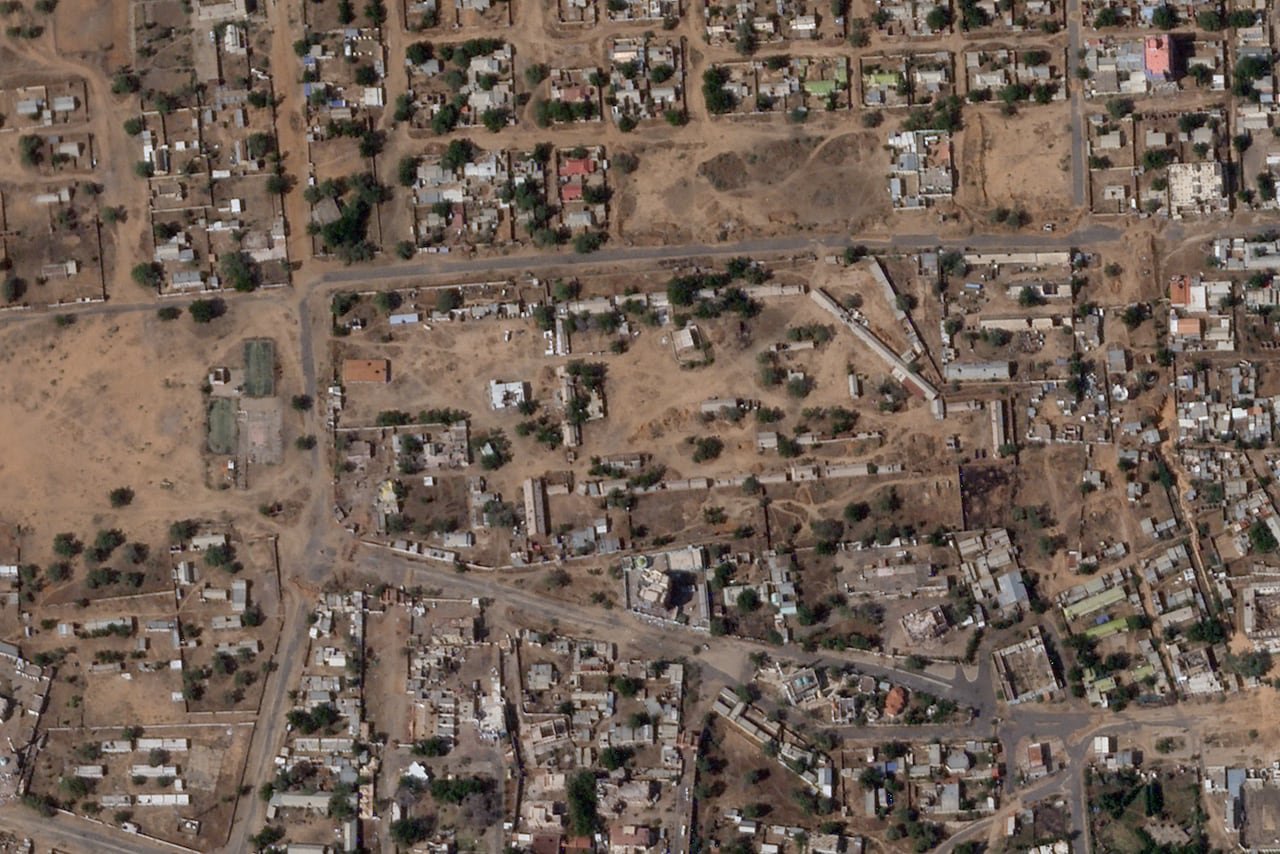
Satellite imagery indicates the presence of bodies in the streets, with an estimated hundreds more fatalities, complicated by disrupted communications and limited information from refugees, making it challenging to fully grasp the situation.
Aid workers and officials express apprehension even for those who managed to escape the city.
In a statement to the Security Council on Thursday, Tom Fletcher, the UN under-secretary-general for humanitarian affairs and emergency relief, highlighted the perils faced by fleeing individuals, predominantly women, children, and the elderly, including extortion, rape, and violence along their hazardous journey. He stressed the urgency of addressing the “catastrophic levels of human suffering” in El Fasher and Darfur.
The ongoing civil war in Sudan, spanning over two and a half years, characterized by widespread sexual violence, famine, indiscriminate combat in civilian areas, and the displacement of millions, has been labeled by the UN as the world’s most extensive humanitarian crisis.
Fletcher emphasized that the Sudan crisis fundamentally reflects a failure in protection and the collective responsibility to uphold international law.
Prior warnings from aid groups and activists regarding the potential for ethnic violence resurfaced as the RSF superseded the army and its affiliates, tracing its origins back to the Janjaweed militia responsible for atrocities in Darfur in the early 2000s.
Despite the unfolding tragedy in El Fasher reminiscent of past horrors in Darfur, Fletcher lamented the global response marked by resignation and apathy.
Nadia Taha expressed distress over losing contact with her uncle and other relatives in El Fasher, with fears of their safety following reports of their neighbors falling victim to the assault.
She recounted the tragic death of her brother, Mohammed Adam Abdullah Taha, killed by an RSF drone on September 24 while aiding others in fleeing or seeking refuge in the besieged city.
Although the RSF has consistently denied allegations of targeting civilians, recent claims from the World Health Organization alleging 460 casualties at El Fasher’s Saudi Hospital were refuted by RSF commander Gen. Mohammed Hamdan Dagalo, who acknowledged ongoing investigations into reported abuses by his forces.
Dagalo, also known as Hemedti, pledged accountability for any personnel found guilty of crimes or misconduct against individuals.
Reports suggest the UAE’s support for the RSF aligns with its backing of armed factions in other regions to expand influence and combat extremist groups, although the UAE denies allegations of supplying weapons to the RSF.
The UN-appointed Panel of Experts for Sudan previously detailed credible reports of cargo planes transporting weapons destined for the RSF through neighboring Chad in January 2024.
During a UN Security Council session, the UAE representative announced $100 million in humanitarian aid, prompting accusations from Sudan’s UN Ambassador of the UAE engaging in aggressive actions in Sudan through support for the RSF, critiquing the Security Council for failing to hold sponsors accountable.
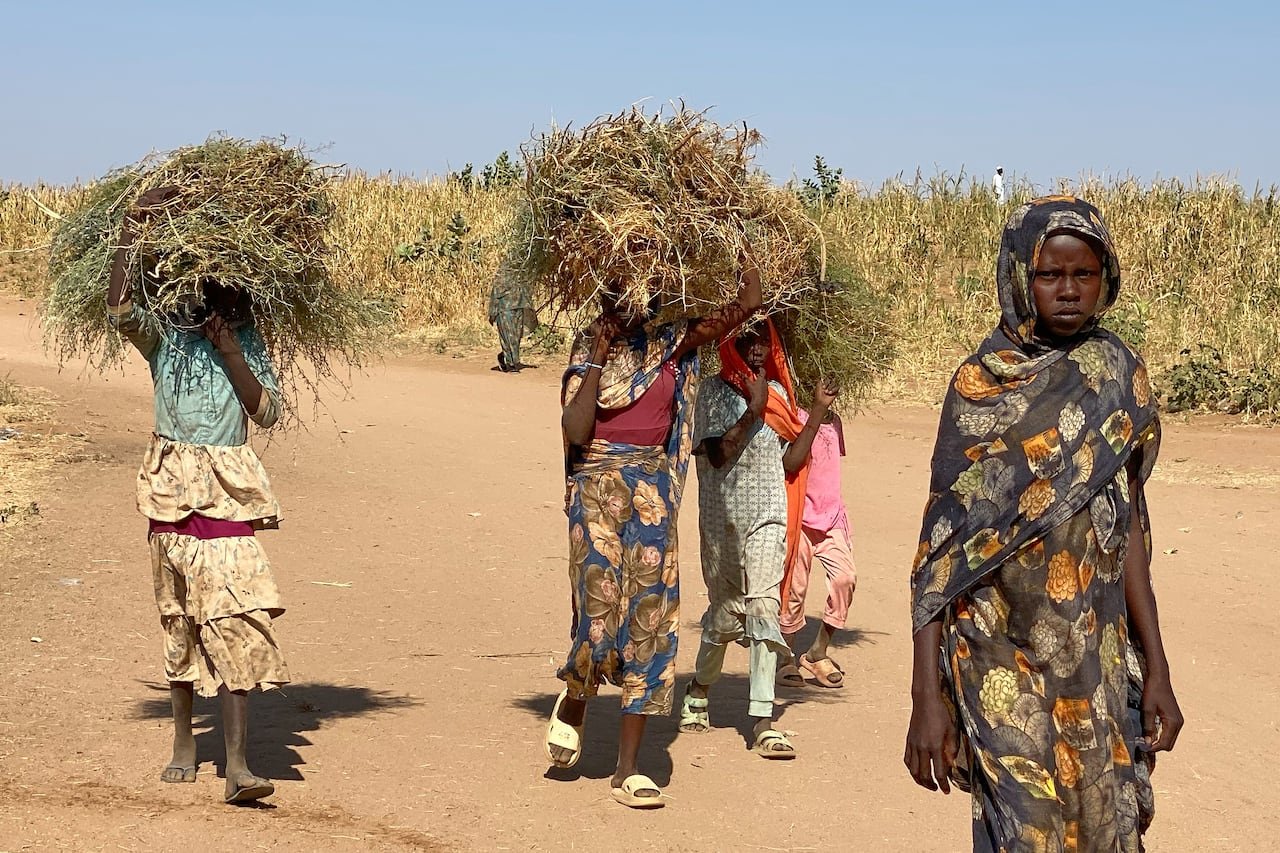
Escapees face a daunting