

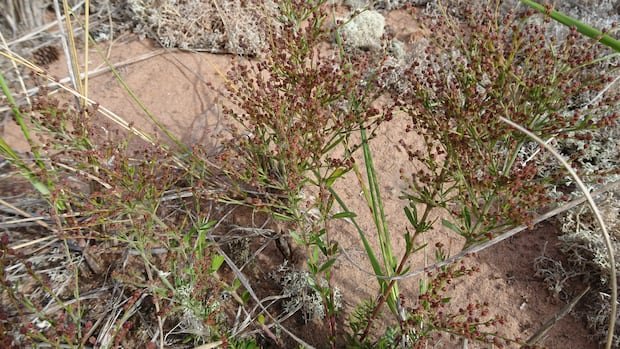

Parks Canada is implementing measures to safeguard a rare coastal plant found at Kouchibouguac National Park in New Brunswick and Prince Edward Island National Park. This year, the purchase of official Parks Canada merchandise online, including shirts and tote bags, will contribute to the protection efforts for the Gulf of St. Lawrence beach pinweed in these two parks.
David Mazerolle, the ecosystem scientist at Kouchibouguac in eastern New Brunswick, highlighted that the global population of this plant has significantly decreased due to the impact of climate change and severe winter storms. With the reduction of coastal ice in winter caused by milder temperatures, the ecosystems are facing heightened vulnerability to winter storms.
Parks Canada has been actively involved in collecting the seeds of the plant and collaborating with Acadia University to explore methods for germination, growth, and transplanting of the species to new habitats where it can thrive. The particular species of beach pinweed targeted for protection is rare and unique to eastern Canada, specifically endemic to the southern Gulf of St. Lawrence region.
Describing the Gulf of St. Lawrence beach pinweed as a small, slender shrub standing around 20 to 30 centimeters tall, Mazerolle emphasized its exclusive presence on stable dune systems away from ocean waves. The majority of the plant population resides in areas co-managed by Parks Canada and Mi’kmaw First Nations, positioning Parks Canada as a key player in its preservation efforts.
Sean Blaney, the executive director of the Atlantic Canada Conservation Data Centre, emphasized the significance of national parks in safeguarding this species. The ongoing conservation work acts as an insurance policy against the threats posed by climate change to the natural habitat of the beach pinweed.
The transplantation efforts led by Mazerolle and his team have shown positive results, with successful initial transplants and promising germination outcomes at Acadia University. Lindsey Burke, a resource management officer at Prince Edward Island National Park, highlighted the importance of protecting the specialized dune habitat critical for the survival of the beach pinweed.
Through collaboration with Acadia University and strategic transplants, the aim is for the pinweed to establish self-sustaining populations within the parks, contributing to the broader protection of dune ecosystems. By acclimating the plants to the park conditions before planting, the team hopes to enhance their chances of thriving independently in the park environment.