

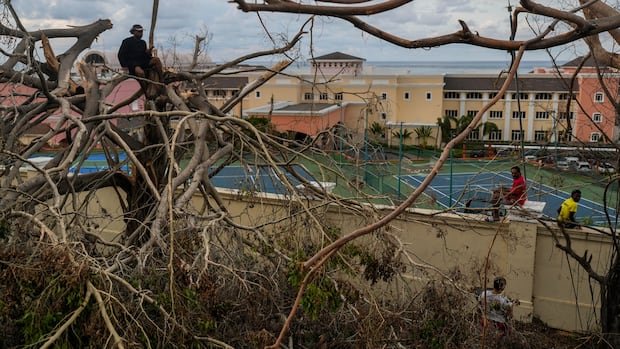

Jamaica is gearing up for its upcoming peak tourism season, set to kick off in a month. The nation, still reeling from the wrath of a devastating Category 5 hurricane that ravaged the western part of the island, is now in a race against time to rebuild before the influx of tourists.
Prior to Hurricane Melissa’s arrival on October 28, the government had anticipated a seven percent growth in the winter tourism industry, with an estimated 4.3 million visitors expected. However, the aftermath of the storm has left officials with the urgent task of restoring damaged hotels and clearing debris in the western region to attract much-needed tourism revenue.
Christopher Jarrett, head of the Jamaica Hotel and Tourist Association, mentioned that the worst-hit areas were in the northwest and southwest, while the popular Negril area in Westmoreland remained largely unscathed.
Although all international airports in Jamaica have resumed operations and are receiving commercial flights, the tourism sector is still grappling with the full extent of the damage. Communication challenges persist, particularly in the western parish of Hanover, hindering efforts to assess and address the impact on hotels and attractions.
Tourism Minister Edmund Bartlett aims for a full recovery by December 15, coinciding with the start of the peak season. While larger hotel chains are expected to bounce back swiftly, smaller establishments face a more uncertain timeline for restoration.
Despite the setbacks, the economic repercussions are projected to be manageable, with some areas witnessing increased business due to aid workers and volunteers arriving in the aftermath of the hurricane. Tourism, a vital source of foreign exchange for Jamaica, directly and indirectly contributes 30% to the GDP and sustains approximately 175,000 jobs, driving economic activity in various sectors.
The disruption caused by the hurricane has not only impacted the tourism industry but also severely affected farmers and fishers across the island. Denver Thorpe, a farmer in Westmoreland parish, suffered extensive losses, underscoring the challenges faced by agricultural communities.
The setback in the agriculture sector comes on the heels of previous natural disasters, exacerbating the plight of farmers and fishers. With over 200,000 farmers cultivating a diverse range of produce for local consumption and export, the agricultural sector plays a crucial role in Jamaica’s economy.
The road to recovery for Jamaica’s tourism and agricultural sectors remains a collective effort as the nation strives to rebuild and rebound from the recent devastation.