


Growing up, I immersed myself in fairy tales with happy endings, from clever pigs to royal love stories. While the prince tales intrigued me, I never dared to hope for my own princess. Something always felt amiss.
As I navigated adolescence, I avoided confronting my true feelings. Lagging behind my peers in dating, I even claimed celibacy in college to focus on academics. While this led to academic success, I missed out on personal connections.
It wasn’t until post-university life that I finally acknowledged my homosexuality. In the mid-80s, being gay meant forgoing marriage; societal norms and the AIDS crisis overshadowed personal desires. Even in the ’90s, relationships lacked the possibility of marriage due to societal discrimination and personal fears.
Initially, the concept of same-sex marriage seemed far-fetched and unnecessary in the face of pressing issues. Attending heterosexual weddings only emphasized my exclusion from such societal milestones, fueling a sense of resentment.
The legalization of same-sex marriage in Canada in 2005 came when I was 40, prompting mixed emotions. While I celebrated this milestone for future generations, I had resigned myself to a life without marriage, rooted in internalized homophobia and societal rejection.
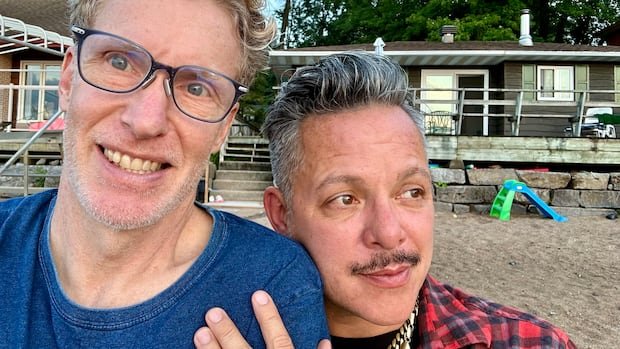
Love, however, has a transformative power. In my current relationship with Stephen, marriage discussions have emerged out of practicality and deep affection. Reflecting on past relationships, I see growth and newfound possibilities for public displays of affection and commitment.
Trying on engagement rings with Stephen, I now envision a future that includes marriage. A simple ceremony with personal touches and shared vows represents the culmination of our love story, embracing a societal right that finally feels fitting for us both.