

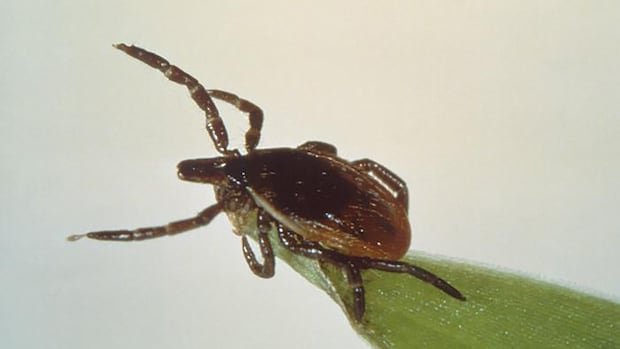

Climate change is driving ticks into new regions in southern Canada, with experts predicting a continued spread of these blood-sucking parasites. Previously, disease-carrying ticks were not a significant concern in Canada until the 1990s. However, researchers indicate that various tick species are migrating north from the United States at a pace of 35 to 55 kilometers annually.
Katie Clow, an assistant professor at the University of Guelph, highlighted that the regions in southern Canada near the American border, where the majority of the population resides, already provide suitable climatic conditions for tick populations. Consequently, the ongoing invasion process is expected to fill ecological niches, leading to the emergence of ticks in parts of southern Canada that have not been previously affected.
The onset of Lyme disease in southern Ontario in 1989, transmitted by blacklegged ticks, marked the beginning of the spread of these ticks across Canada. Blacklegged ticks, known to transmit Powassan virus in rare cases, have now infiltrated all provinces, including Alberta and Saskatchewan, where dog ticks are more common but can also pose risks of diseases like Rocky Mountain spotted fever.
Health Canada reports that Canada currently hosts over 40 tick species, some of which pose significant health risks. For instance, the lone star tick, known for causing red meat allergies in humans, and the Asian longhorned tick, which can affect cattle, have been advancing northward, raising concerns among farmers in Canada.
Clow emphasized that the establishment of these tick species in Canada is a question of “when” rather than “if.” Notably, the surge in tick populations has surprised many, with areas like northern Toronto experiencing a substantial increase in tick presence, contrasting with past decades when ticks were uncommon in such regions.
The Public Health Agency of Canada has documented a significant rise in Lyme disease cases from 2009 to 2025, with a preliminary count of 7,105 cases in 2025 compared to 144 cases in 2009. The symptoms of Lyme disease range from fever to severe joint and nervous system complications if left untreated.
The escalation of tick populations in Canada has been attributed to climate change, allowing ticks to thrive in previously unsuitable environments. Researchers clarify that ticks are introduced through migratory birds and host animals like deer and rodents, requiring warm summer conditions for survival and reproduction.
As ticks become a year-round concern due to changing climate patterns and urban development encroaching on wooded areas, Canadians are advised to take precautions during outdoor activities. Recommendations include wearing protective clothing, using insect repellent, and conducting regular tick checks after being outdoors to mitigate the risks associated with tick-borne diseases.