

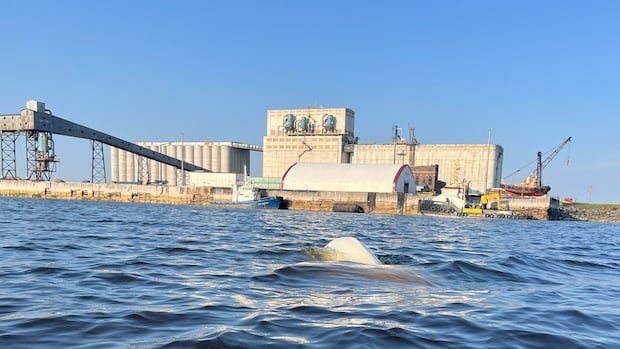

The University of Manitoba and the Arctic Research Foundation have announced a significant advancement in their study focused on transforming Churchill into a year-round maritime center. The ongoing phase of the research, initiated in January, aims to evaluate the viability of utilizing icebreakers to extend the operational window at the port, as per a U of M press release. Presently, the Port of Churchill operates for approximately four months annually.
Feiyue Wang, Canada Research Chair in Arctic Environmental Chemistry and director of the Churchill Marine Observatory, emphasized the necessity of ice-breaking support to maintain shipping routes open during winter months. The study seeks to establish the optimal route for shipping goods to the Atlantic Ocean and northern Europe, encompassing a mapping area spanning over 2,000 kilometers.
Prime Minister Mark Carney highlighted plans to enhance the Port of Churchill as a key component of a trade corridor in northern Manitoba during discussions with Manitoba Premier Wab Kinew. Wang, in collaboration with researchers from the U of M’s Centre for Earth Observation Science, leads the study, which is funded with $188,000 from a total commitment of $750,000 in federal and provincial funds to evaluate sea ice, weather, and climate conditions in the Hudson Bay region.
The warming trend of Hudson Bay, rising approximately 1 degree Celsius over the past 40 years, particularly impacts the northwestern area where shipping routes to Nunavut and the Labrador Sea traverse. The research involves examining historical and projected sea ice conditions to forecast future ice changes and icebreaking requirements over the next four decades.
Utilizing the POLARIS system, ice conditions are assessed to determine risk levels for various ship classes and develop climate model projections under different greenhouse gas emission scenarios. The study also focuses on identifying ecologically sensitive periods of the year and their implications on shipping routes, timing, and vessel operations.
Extending the operational season of the Port of Churchill could revolutionize the Canadian economy by facilitating access to Arctic resources and promoting domestic refining processes. The expansion project aims to benefit Arctic communities economically, while ensuring their involvement and training in technical and maritime trades. Arctic Gateway Group CEO Chris Avery believes that increased trade through the port will diversify national supply chains and boost Canada’s presence in the North.
A final report detailing the study’s outcomes is expected to be submitted by February 2027, potentially leading to field testing with research vessels before the deployment of large icebreakers.