

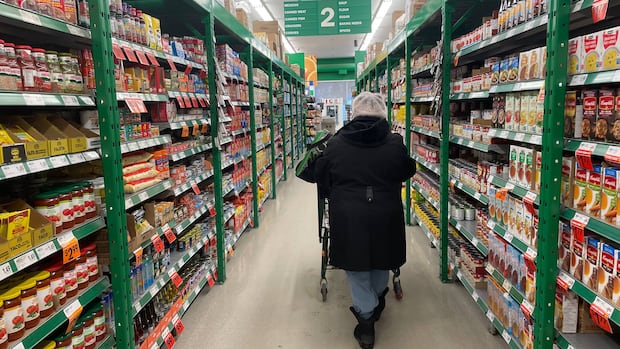

A recent study conducted in the U.S. indicates that a diet high in ultra-processed foods is associated with a heightened risk of developing early-onset colorectal cancer, especially when compared to those who consume these foods infrequently. This finding may shed light on the increasing incidence of colorectal cancer among younger adults.
Ultra-processed foods include ready-to-eat or ready-to-heat options that typically contain excessive amounts of sugar, salt, saturated fats, and various additives for preservation. Examples encompass mass-produced bread, breakfast cereals, and instant soups.
Scientists have noted that the surge in colorectal cancer cases among individuals in their 20s, 30s, and 40s across various countries exceeds what can be explained by genetics alone. This observation has led medical researchers to investigate lifestyle factors, including dietary changes, body weight, levels of physical activity, and alcohol consumption.
A comprehensive 24-year investigation involving nearly 30,000 female participants in the Harvard-led Nurses Health Study II revealed that those with the highest intake of ultra-processed foods faced approximately a 1.45-fold greater risk of developing colorectal polyps, which are potential precursors to cancer, according to gastroenterologists, compared to those with the lowest intake.
Participants reported their food consumption through questionnaires every four years, with the highest consumption group averaging around 10 servings each day, while the lowest group averaged three servings daily.
Dr. Andrew Chan, a gastroenterologist at Mass General Brigham and a professor at Harvard Medical School in Boston, remarked, “There is increasing evidence indicating a compelling reason to consider reducing one’s consumption of ultra-processed foods.”
Chan, who co-authored the study published on Thursday in JAMA Oncology, stated that the increased risk linked to ultra-processed food consumption is comparable to the risks associated with obesity and insufficient physical activity.
Opt for fresh, whole foods
Modeling research published in August predicts that the rates of colorectal cancer among young adults are set to double approximately every 15 years in Canada, the U.S., Australia, and the U.K. for both genders.
Dr. Shady Ashamalla, a surgical oncologist at Sunnybrook’s Odette Cancer Centre in Toronto, expressed his admiration for the study, noting that he is increasingly encountering younger patients in his practice.
“My straightforward advice is to do what you can,” Ashamalla emphasized regarding the reduction of ultra-processed food intake.
Registered dietitian Russell de Souza, an associate professor and researcher at McMaster University’s Population Health Research Institute, provided similar guidance.
“Aim to minimize your intake of ultra-processed foods — they often contain excessive sugar, salt, and unhealthy fats while lacking vital nutrients. These products can elevate your risk for obesity, diabetes, and even cancer, and they are designed to encourage overeating. Whenever feasible, opt for fresh, whole foods instead,” de Souza advised in an email.

Dietitians encourage Canadians to cook with whole foods at home when possible. (Natalia Klenova/Shutterstock)
While the association between ultra-processed foods and colorectal cancer is not as well-established as major risk factors such as family history, the presence of polyps in the colon or rectum, or excessive weight, de Souza pointed out that the Harvard research team found the correlation persisted even after adjusting for body weight and diabetes.
- How these foods trick you into loving them
- Want to avoid ultra-processed foods? Cook more often, choose whole foods
Other research has also connected the consumption of ultra-processed foods to various diseases.
“The consistent associations between ultra-processed food and conditions affecting the heart, brain, and gut represent a significant concern. Since food is an aspect of our daily control, even small adjustments towards whole foods can lead to substantial improvements,” he stated.
For the prevention and treatment of colorectal cancer, Ashamalla urged healthcare systems to leverage findings from studies like this to:
- Promote awareness about symptoms such as blood in stool or alterations in bowel habits.
- Consider lowering the recommended age for screening the general population with at-home kits and colonoscopies, from the current threshold of 50.
Typically, when young adults receive a colorectal cancer diagnosis, the disease has progressed to the point of showing symptoms, Ashamalla noted. In contrast, older adults often have polyps detected before they develop into advanced cancers.
Chan highlighted that broader inquiries need to be made regarding whether the associations observed in the study are indicative of causation — allowing society to take actionable steps.
“Should we actively work to limit our populations’ exposure to ultra-processed foods through measures such as food labeling or reevaluating our approach to food regulation?”