

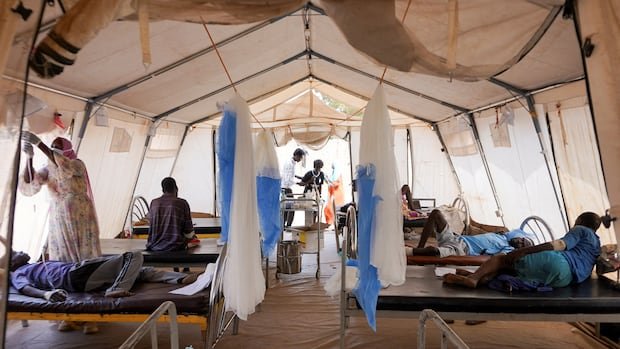

Humanitarian teams operating in North Darfur, Sudan, are encountering challenges due to insecurity and dwindling resources. The International Organization for Migration (IOM) has raised concerns, highlighting the risk of a worsening crisis if additional funding and access to aid are not secured promptly.
According to IOM, the recent surge in displacement within El Fasher and neighboring areas has led to the displacement of over 90,000 Sudanese individuals following reported mass killings and various forms of violence. The agency emphasizes the urgent need for increased funding to address the impact of the conflict between the Sudanese army and the Rapid Support Forces (RSF).
IOM further reports that warehouses in North Darfur are nearly empty, with aid convoys facing significant security challenges and restricted access for aid delivery. The situation has put humanitarian operations on the brink of collapse, necessitating immediate action to prevent a larger catastrophe.
Recent events, including the RSF’s capture of El Fasher, have resulted in significant casualties and forced tens of thousands to flee, with reports of atrocities by the paramilitary force. Displaced individuals are enduring hardships in overcrowded camps, lacking adequate shelter, food, and medical supplies.
Aid group Médecins Sans Frontières (MSF) has highlighted alarming levels of malnutrition in the displacement camps, particularly affecting children under five. The violence has escalated to other regions in Sudan, exacerbating the humanitarian crisis and prompting more displacements.
The situation in Darfur has drawn international attention, with concerns raised about the widespread sexual violence and the dire conditions faced by women and girls. UN Women has emphasized the urgent need for protection and support for vulnerable populations, especially those facing acute food insecurity and violence.
Efforts to address the crisis include proposals for humanitarian ceasefires, though challenges persist in achieving lasting peace and stability. The ongoing conflict has taken a toll on civilian lives, with reports of summary executions, rape, and ethnically motivated violence continuing unabated.
As the situation remains critical, urgent action is required to provide essential aid, ensure safe access for humanitarian operations, and protect the vulnerable populations affected by the conflict in Sudan.