

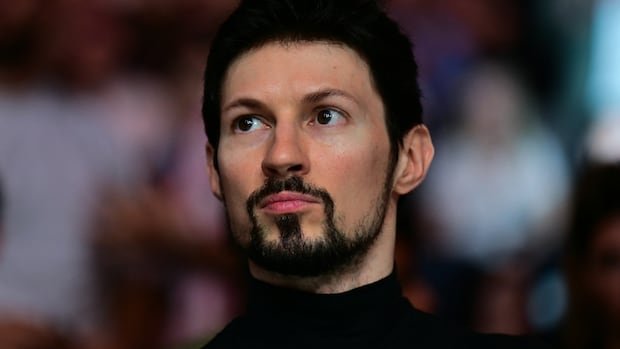

Amidst Russia’s escalating efforts to suppress Telegram, CEO Pavel Durov has denounced the country’s criminal investigation against him as a fear-driven act. Durov, a Russian billionaire living in the UAE, confirmed reports by Russian state media of an inquiry by the Federal Security Service for allegedly supporting terrorism. He criticized the authorities for fabricating reasons to restrict Telegram, aiming to stifle privacy and free speech rights.
Access Now, a digital rights organization critical of Telegram’s security, supported Durov’s stance, emphasizing Russia’s attempt to curb freedom of expression and information access. Natalia Krapiva from Access Now echoed Durov’s sentiments, highlighting Russia’s suppression tactics.
This is not the first time Durov has faced legal scrutiny. In 2024, he was apprehended in Paris over allegations of illegal activities on his platform, such as drug trafficking and child exploitation. The ongoing investigations led him to return to Dubai.
In a broader context, Russia’s crackdown on Telegram is part of a larger campaign targeting various communication platforms like FaceTime, Signal, Viber, WhatsApp, Facebook, and Instagram. The government promotes its state-owned messaging app, MAX, as an all-in-one solution but faces criticism for potential surveillance risks, particularly for journalists and activists.
Despite state efforts to promote MAX, many Russians still rely on Telegram and VPNs to circumvent restrictions. Krapiva mentioned a surge in VPN usage to access prohibited services. Russia’s recent actions also involve blocking VPN-related content to limit public knowledge and promote an isolated online environment controlled by the government.
The overarching objective appears to be the establishment of a closed-off Russian cyberspace, enabling complete information control, a concerning trend according to digital rights experts.