

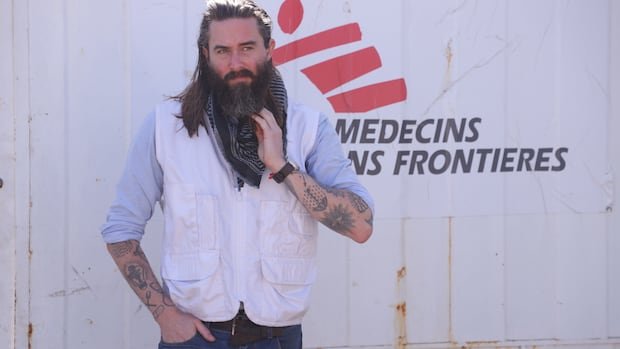

At a water treatment plant tent in central Gaza run by Doctors Without Borders, Craig Kenzie monitors the functioning of a machine he helped assemble. This machine, primarily constructed from scrap parts, now supplies tens of thousands of liters of clean water to the community after enduring two years of conflict and water scarcity.
Kenzie, a Vancouver resident working as a project coordinator in Gaza since mid-December, expressed concerns about the future management of the aid projects as international aid organizations, including Doctors Without Borders and 36 others, are set to cease operations in the Gaza Strip. The organizations were requested to provide lists of local and foreign staff, but many declined citing concerns for staff safety, as their work visas in Gaza have expired.
Expressing worry about the impact on the Gazan population, Kenzie emphasized the importance of international humanitarian efforts in the region. He highlighted the challenges faced due to new restrictions that pose risks to staff safety and security.
In response to the impending exit of international organizations, Doctors Without Borders stated that they would rely on local staff registered with the Palestinian Authority to sustain ongoing programs. However, Christopher Lockyear, MSF’s secretary-general, emphasized the vital role of foreign staff and journalists in shedding light on the situation faced by Palestinians in Gaza.
Despite the ceasefire agreements allowing for aid deliveries, reports indicate that aid distribution has fallen short of promises made during negotiations. The UN Office for the Coordination of Humanitarian Affairs reported challenges in coordinating humanitarian missions in Gaza, with some facing denials and impediments.
Amid the uncertainties, Israel’s Supreme Court issued a temporary injunction allowing the INGOs to continue their activities while considering their petition. Aid groups, including Oxfam, welcomed the ruling but highlighted the critical humanitarian situation in Gaza and the need for ongoing support.
The Israeli authorities defended their actions, citing the need for transparency to prevent misuse of aid by militant groups. Save the Children also faced visa denials for foreign workers, leading to increased reliance on local staff for their operations.
Amidst these developments, concerns remain about the impact of sharing sensitive staff information with Israeli authorities, potentially jeopardizing staff safety. The absence of international witnesses may limit public awareness of the situation in Gaza, as aid organizations navigate challenges to continue their essential work.