

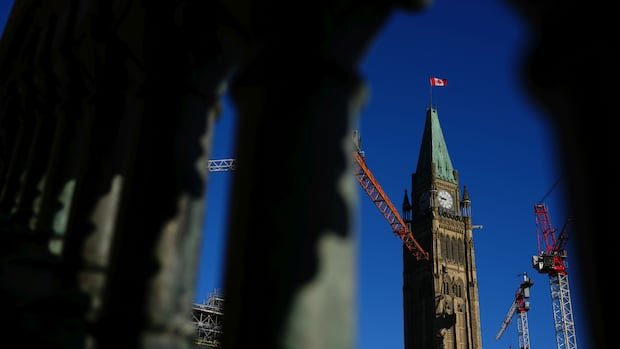

In a recent development, Prime Minister Mark Carney’s administration successfully navigated a confidence vote for the second time in two days as Members of Parliament rejected a Bloc amendment urging the House to dismiss the Liberals’ budget. The amendment, which emphasized the failure to meet Bloc Québécois demands, was opposed by both the Liberals and Conservatives, with the New Democratic Party siding with the Bloc.
A similar scenario unfolded the previous evening when a vote was called to reject the budget due to dissatisfaction from the Conservatives. However, the Liberals, Bloc, and NDP collectively voted down this sub-amendment. These votes, typically procedural in nature, are customary as opposition parties introduce amendments to challenge the government’s fiscal plan following each budget presentation.
Over the past month, the Liberals have hinted at uncertainties in garnering support for the budget, intensifying scrutiny on these amendment votes. Budget votes are regarded as confidence votes, implying that a government defeat could potentially trigger a new election. Although uncommon, historical instances demonstrate that budget amendment votes have precipitated government collapses, notably in 1979 during former Prime Minister Joe Clark’s brief tenure when his budget failed to secure backing.
MPs are slated for a one-week recess next week in observance of Remembrance Day, with a scheduled vote on the budget awaiting their return the following Monday. Notably, the recent votes do not necessarily indicate opposition backing for the budget itself. The Conservatives have already expressed their disapproval, and the Bloc is also leaning towards rejection. Green Party Leader Elizabeth May, aligning with the Bloc’s stance, emphasized the need for substantial budget modifications before extending support to the Liberals, while the NDP appears to be evaluating its stance.
The procedural proceedings encountered a mix-up as the Liberal government presented the budget on Tuesday, outlining substantial spending to mitigate the impact of U.S. tariffs and proposing public service cuts for cost savings. Traditionally, after the Official Opposition leader’s address, the main budget amendment is proposed, followed by a sub-amendment from the third party. However, a procedural error occurred when Conservative Leader Pierre Poilievre concluded his speech without moving an amendment, prompting Bloc Leader Yves-François Blanchet to introduce his own.
Despite the procedural hiccup, the fate of the budget and the government remains largely unaffected. The Conservatives have emphasized key demands such as abolishing the industrial carbon tax and limiting the deficit to less than $42 billion, while the Bloc has advocated for increased federal health transfers to provinces and enhanced Old Age Security (OAS) payments for individuals aged 65 to 74.