

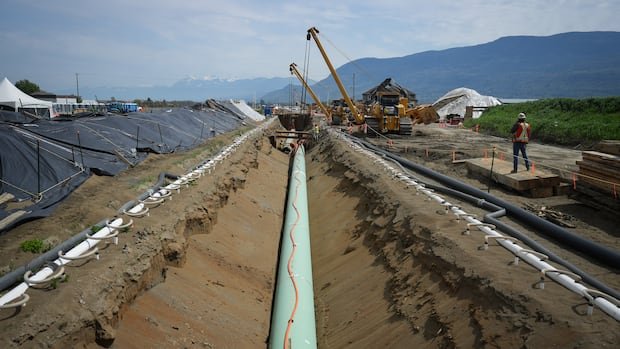

The Metis Settlements of Alberta have expressed their interest in acquiring a share in a proposed oil pipeline to the West Coast. They aim to collaborate with First Nations in British Columbia who are against the project and intend to present an urgent resolution at the Assembly of First Nations meetings in Ottawa on Tuesday.
Dave Lamouche, the president of the eight Metis settlements in Alberta, highlighted the potential for a new pipeline to support the sustainability goals of Metis communities. He emphasized the importance of establishing revenue-generating partnerships to enhance their capabilities. Lamouche mentioned that Alberta is offering full partnership and involvement opportunities.
However, Lamouche acknowledged the concerns of Coastal First Nations and recognized their right to be apprehensive. The memorandum of understanding (MOU) between Ottawa and Alberta, signed last Thursday, stipulates that any new pipeline must provide Indigenous co-ownership opportunities and other economic benefits.
The MOU also mentions the possibility of adjusting the oil tanker ban along the northern B.C. coast to facilitate the transportation of Alberta’s products to Asian markets. This adjustment could potentially create divisions among Indigenous groups. Coastal First Nations have firmly opposed any suggestion of lifting the oil tanker ban.
Given the contentious nature of the project, Lamouche expressed a willingness to engage with Coastal First Nations to explore collaboration opportunities in advancing the pipeline construction. He emphasized the importance of finding common ground but also mentioned considering alternatives if collaboration proves challenging.
The proposed pipeline will be a key topic at the Assembly of First Nations (AFN) Special Chiefs Assembly in Ottawa. B.C. First Nations leaders are gearing up to present an emergency resolution to uphold the oil tanker ban at the AFN meetings, just before Prime Minister Mark Carney’s address.
Regional Chief Terry Teegee of the B.C. AFN noted widespread concerns among First Nations leaders regarding the pipeline proposal. Teegee stressed the significance of obtaining consent for such projects and highlighted the importance of respecting Indigenous rights, title, and interests.
The Metis Settlements of Alberta have a history of collaboration with the Alberta government on resource management agreements. Lamouche praised the MOU for presenting a valuable opportunity for Indigenous communities and commended Alberta’s collaborative approach.
Lamouche revealed that the Metis Settlements of Alberta are exploring options to secure loan guarantees through the Alberta Indigenous Opportunities Corporation to support investments in projects like pipelines. The generated revenue from the project could address critical infrastructure needs in Metis communities, such as roadways and water systems.
Alberta Indigenous Relations Minister Rajan Sawhney is actively engaging with Lamouche and other Indigenous communities regarding the potential pipeline project. Sawhney’s office emphasized the commitment to fostering strong, mutually beneficial relationships that provide economic opportunities and long-term prosperity for Indigenous communities.
Sawhney’s office highlighted the importance of partnerships that deliver economic benefits and long-term prosperity for Indigenous communities. Lamouche was identified as one of the Indigenous relations experts offering culturally informed guidance on the province’s engagement efforts.