

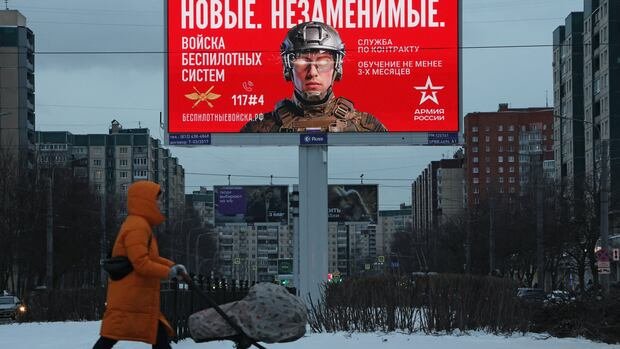

During the World Economic Forum in Davos, Switzerland, U.S. special envoy Steve Witkoff expressed hope regarding the ongoing negotiations between Russia and Ukraine. He emphasized that they have narrowed down the issues to one solvable matter, which has been the crux of the conflict for the past four years – Russia’s ambition to expand its control over Ukrainian territory.
Following discussions with Russian President Vladimir Putin in Moscow, the U.S. delegation proceeded to Abu Dhabi for trilateral talks involving Ukraine and Russia. Despite the positive momentum, reaching a compromise seems challenging as Russia remains firm on its maximalist demands. The Kremlin insists that Kyiv cede approximately 5,000 square kilometers of the Donetsk region, an area comparable in size to Prince Edward Island, a demand rejected by Ukrainian President Volodymyr Zelenskyy.
Russia’s persistent effort to secure the Donetsk region, including cities like Kramatorsk and Sloviansk, highlights its strategic objectives. However, the inability to capture these areas during the ongoing conflict has led Russia to seek territorial concessions through diplomatic channels.
While the U.S. delegation remains cautiously optimistic, Russian political analyst Tatiana Stanovaya views the negotiations as a tactical maneuver by Russia to advance its broader political agenda beyond the current focus on the Donbas region.

Russia’s Broader Demands
Aside from the territorial disputes in the Donbas region, the Kremlin has underscored other crucial issues during the negotiations. Russian officials, including Foreign Minister Sergey Lavrov, have emphasized concerns about Western military support for Ukraine and the political landscape in Kyiv, labeling it as a “Nazi regime” to justify their military actions.
Stanovaya highlights that Russia’s persistence in shaping Ukraine’s political direction reveals the underlying complexities beyond the current negotiations on territorial matters.
In an attempt to reach a resolution, the U.S. has proposed the creation of a free economic zone in the controlled areas of Donetsk, aiming to de-escalate tensions in the industrial heartland of the Donbas region. However, the specifics of this proposal and its implementation remain unclear, raising questions about its effectiveness in preventing future conflicts.
Escalating Casualties
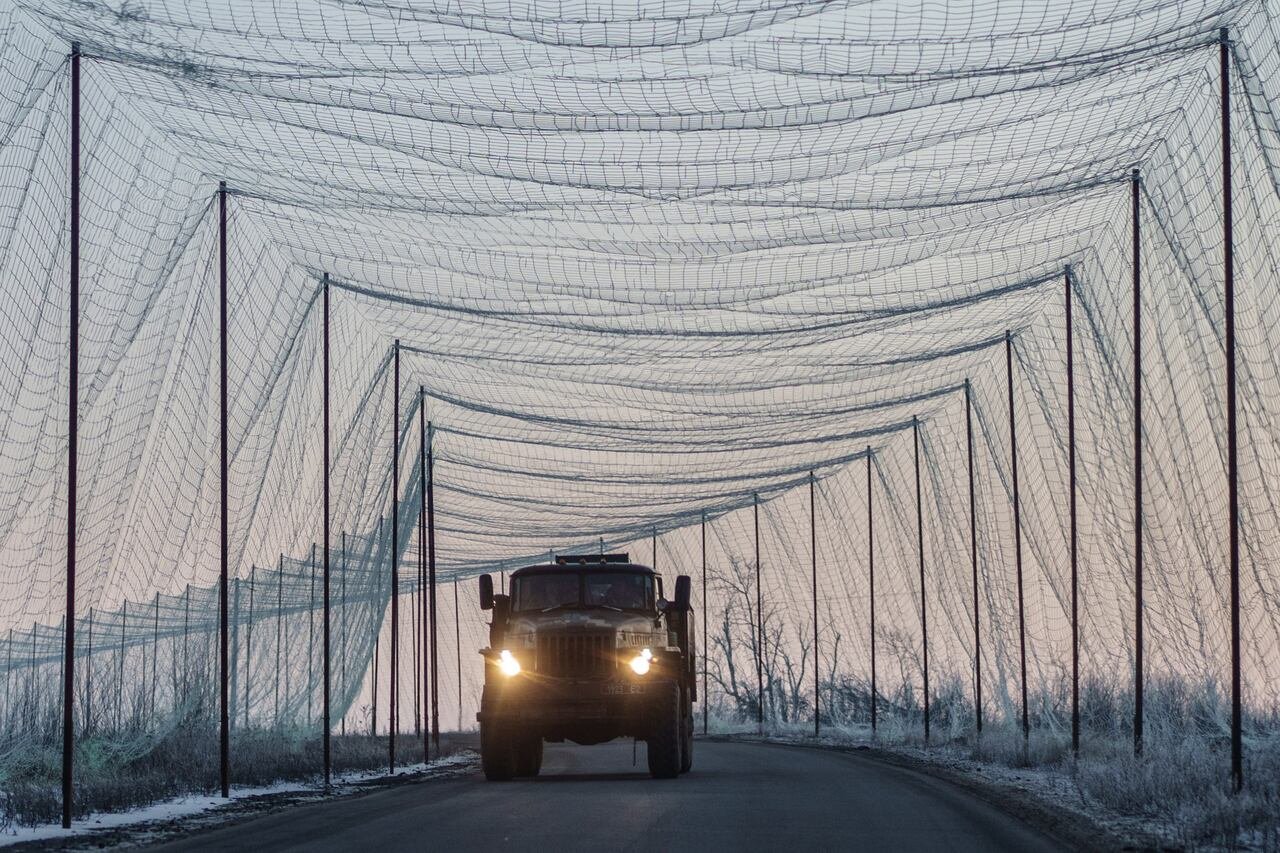
Recent reports from Russia’s defense ministry claim incremental territorial gains in Ukraine, with the village of Symynivka reportedly under Russian control. The escalating conflict has resulted in a growing number of casualties, with estimates indicating significant losses on both sides.
Although detailed casualty figures are not readily available, the U.K. Ministry of Defence suggested that Russia likely sustained over 400,000 casualties, including injuries, in 2025. The human toll of the conflict underscores the severity of the situation and the challenges in finding a peaceful resolution.
Amidst the ongoing negotiations, skepticism remains regarding the possibility of a swift resolution to the conflict. Former U.S. envoy Keith Kellogg’s doubts, along with the sentiments of