

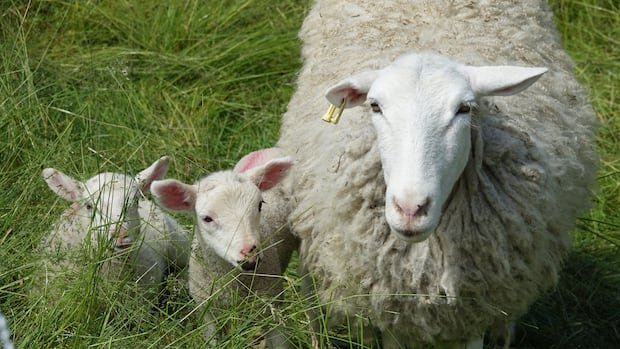

The British Columbia government has recently modified its regulations to grant wildlife officers enhanced authority to euthanize escaped or neglected domestic sheep in order to safeguard wild sheep populations. This alteration in how domestic sheep are categorized under the Wildlife Act aims to prevent the transmission of diseases that could result in significant casualties among wild herds.
Both domestic and wild sheep are susceptible to similar infectious agents; however, their immune responses and disease resistance levels vary. A common bacteria present in domestic sheep and goats, M. ovi or Mycoplasma ovipneumoniae, typically causes no harm but can trigger fatal pneumonia in wild sheep.
As stated by the Ministry of Water, Land, and Resource Stewardship, this bacteria can spread through wild populations rapidly via shared grazing areas, water sources, or salt licks. Additionally, the regulatory adjustments now classify abandoning sheep on Crown land as a punishable offense, permitting the government to take ownership of such animals.