

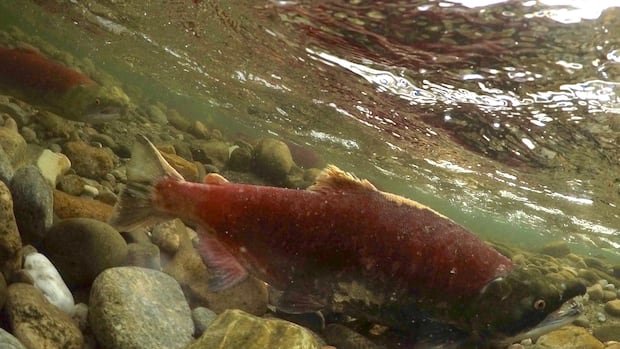

Experts warn that the reduced snowpack levels on Vancouver Island are likely to strain salmon populations already facing challenges such as habitat degradation, overfishing, and warmer temperatures.
According to the latest snowpack report released by the province, Vancouver Island’s snowpack levels were recorded at 44 percent of the normal levels by April 1.
The decrease in snowpack levels indicates that the accumulated snow will melt rapidly during spring, resulting in lower water levels and drying pools as adult salmon attempt to return upstream in the fall from their spawning areas.
Researchers emphasize the importance of collaborative efforts between the province and local communities to safeguard watersheds and salmon populations, as well as to address the adverse effects of climate change to protect struggling salmon.
Executive director of the Watershed Watch Salmon Society, Aaron Hill, expressed concern about the potential consequences of the low snowpack combined with upcoming warmer temperatures, describing it as a potentially disastrous situation.
Hill highlighted a recurring cycle of droughts and floods in the province, attributing it to the significant stress experienced by salmon populations.
Tom Balfour, a habitat biologist at the Redd Fish Restoration Society on the west coast of Vancouver Island, warned about possible die-offs of juvenile salmon in summer pools due to the reduced water levels, which could impact larger salmon populations.
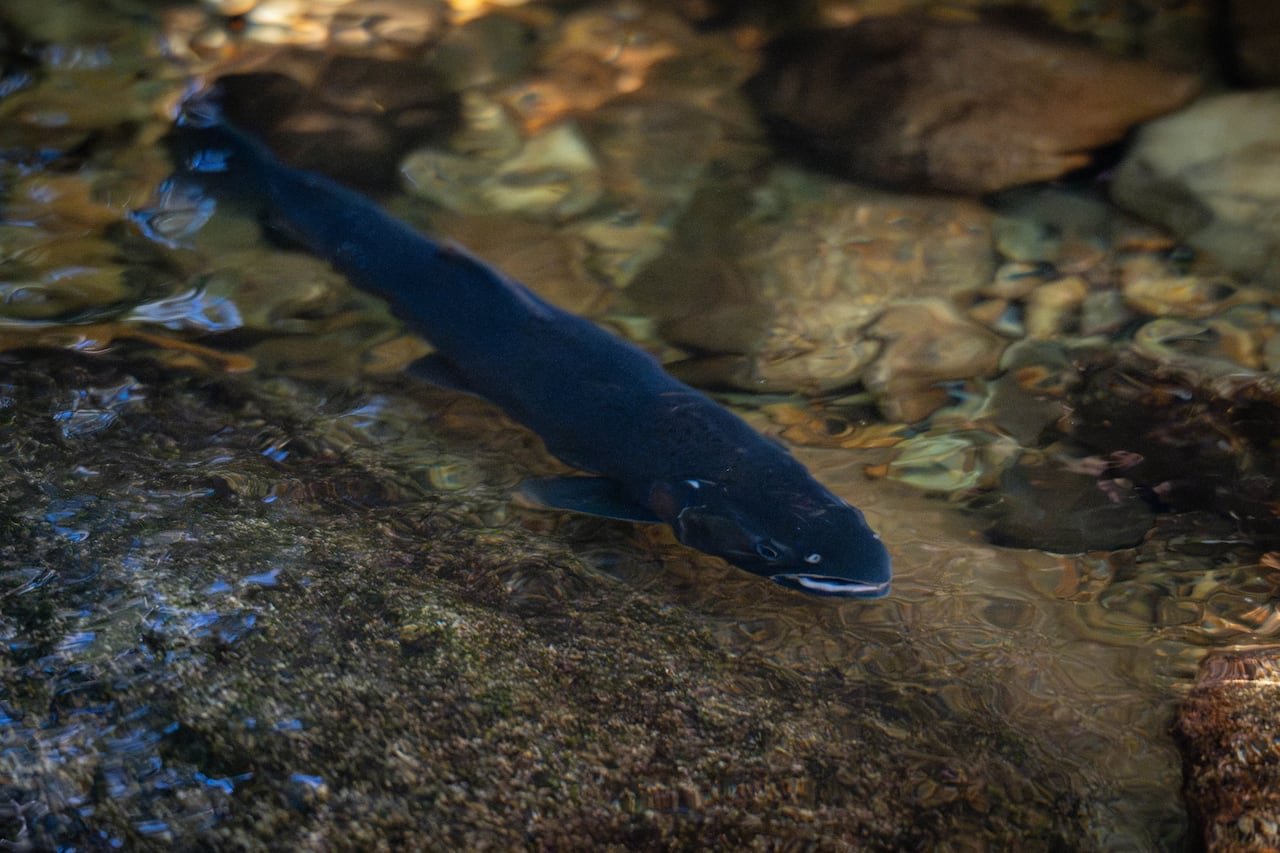
He explained that the accelerated snowmelt resulting from diminished snowpack levels could significantly impact the salmon life cycle as they adapt to increased water levels in spring.
Balfour urged the public to advocate for the implementation of long-term conservation and restoration strategies for watersheds, as well as to monitor trapped fish and drying pools during the spring and summer months.
“Monitoring is a critical aspect lacking in our province, so it is crucial for the public to be vigilant and raise concerns when necessary,” he emphasized.
Advocacy for Increased Local Collaboration
John Richardson, a professor in the forest and conservation sciences department at the University of British Columbia, pointed out that streams and lakes with reduced water volumes due to decreased snowmelt could make salmon more susceptible to predation.
He suggested that the forestry industry in the province should take active measures to maintain more trees near smaller streams, offering essential shade for the fish.
Richardson stressed that smaller streams could experience elevated water temperatures as they flow into larger water bodies, placing stress on salmon that are sensitive to temperature changes.
He described stream shading as a climate-proofing method that could help mitigate the impact of climate change on stream temperatures, providing a potential solution to moderate temperature fluctuations.