


The federal government is looking to gain the authority to invalidate visa applications for groups of visa holders, partly due to concerns of fraudulent activities originating from India and Bangladesh, as per internal documents obtained by CBC News. A presentation to the immigration minister’s office outlined collaborative efforts between Immigration, Refugees and Citizenship Canada (IRCC), the Canada Border Services Agency (CBSA), and undisclosed U.S. partners aimed at detecting and annulling fraudulent visitor visa applications. A joint working group comprising Canadian entities and U.S. partners is exploring ways to enhance the power to reject and annul visas, with a particular focus on addressing challenges specific to India and Bangladesh.
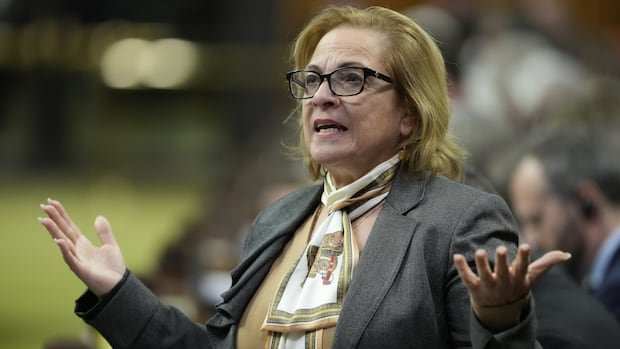
The presentation discussed potential scenarios where mass cancellation powers could be utilized, including situations like pandemics, wars, and visa holders from specific countries. Immigration Minister Lena Diab publicly cited reasons such as pandemics or wars for the government’s pursuit of these powers, without mentioning country-specific visa holders. The document sheds light on Ottawa’s rationale for seeking these mass cancellation powers.
This provision was introduced in Parliament as part of Bill C-2, which encompassed comprehensive border legislation. Subsequently, the bill was divided into two parts, with mass visa cancellation being incorporated into C-12, with hopes of swift approval by the government. Over 300 civil society groups have expressed concerns regarding this legislation, with some, like the Migrant Rights Network, apprehensive that group cancellations could pave the way for a “mass deportation machine.”
Moreover, there are speculations among immigration lawyers questioning whether the pursuit of mass cancellation capabilities is intended to alleviate the mounting backlog of applications within the federal government. The document highlighted a surge in asylum claims from Indian nationals and the impact on visa application processing times, which escalated from an average of 30 days in July 2023 to 54 days a year later. Additionally, the presentation noted a rise in instances of passengers from India being denied boarding, with applicants being scrutinized further and provided procedural fairness letters outlining their rights.
Despite these developments, no data regarding claims from Bangladesh was included in the document. Recently, IRCC clarified that the proposed new powers are not targeted at any specific group or situation, and decisions would not be unilateral. Another document urged the immigration minister to advocate for additional visa cancellation powers for security purposes and to prevent misuse of temporary resident documents.
In efforts to manage immigration, the Immigration Department highlighted steps taken to reduce unnecessary border volumes, enhance information sharing, and curb non-genuine visitors and illegal border crossings. These actions have led to a significant drop in illegal U.S. crossings into Canada and a decrease in asylum claims from TRV holders. The department emphasized heightened scrutiny on TRV applications from countries with high abuse rates, resulting in increased visa refusals for fraud.
While seeking these powers, the federal government has also been working to mend its relationship with India, which has been strained since 2023. The two countries have taken steps to improve ties, including renaming high commissioners and expressing mutual interest in revitalizing their bilateral relationship. However, the potential impact of the powers sought by IRCC on Canada-India relations remains unclear, as Global Affairs has yet to provide a response to inquiries on the matter.