

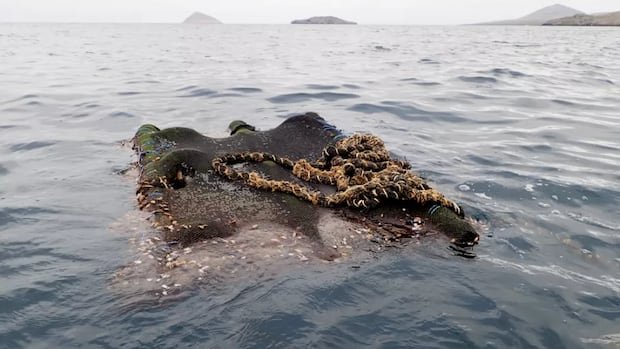

A recent study reveals that discarded fish aggregating devices (FADs) used in tuna fishing are causing harm to marine ecosystems, even infiltrating protected areas. These drifting rafts, essential for catching small tropical tuna like skipjack, have been found in over 1,500 marine protected zones globally, despite regulations prohibiting fishing in these areas. The FADs, typically made of wood or bamboo with plastic components, attract fish by hanging ropes underneath them, replacing mesh nets banned in 2025 due to wildlife entanglement concerns.
After attracting fish, FADs equipped with GPS buoys and fish detectors enable fishing boats to return and capture the gathered tuna using purse seine nets. However, the study estimates that approximately 100,000 FADs are deployed annually, with around 90% eventually becoming lost or discarded, contributing to marine pollution and endangering marine life. When these FADs drift into protected areas, they often cause damage by stranding on beaches and coral reefs, leading to plastic pollution and disruptions to ecosystems.
Researchers have documented over 6,000 FAD strandings in 174 marine protected areas, with impacts including coral reef destruction and entanglement of sharks and turtles in FAD netting. Efforts to address these issues include promoting sustainability certifications like the Marine Stewardship Council, which incentivize fishing companies to adopt eco-friendly practices such as using biodegradable materials and reducing netting. Initiatives like the development of biodegradable “jelly FADs” and implementing retrieval programs for old FADs aim to mitigate the environmental impacts of these devices.
Suggestions to minimize the negative effects of FADs include limiting their deployment, avoiding release in high-risk areas, and encouraging the retrieval of old devices. Collaborative efforts between fishing fleets and environmental organizations, such as establishing buffer zones and alert systems, can help prevent FADs from causing further harm to protected marine environments. By raising awareness and implementing sustainable practices, the fishing industry can work towards reducing the ecological footprint of FAD fishing and protecting marine biodiversity.