

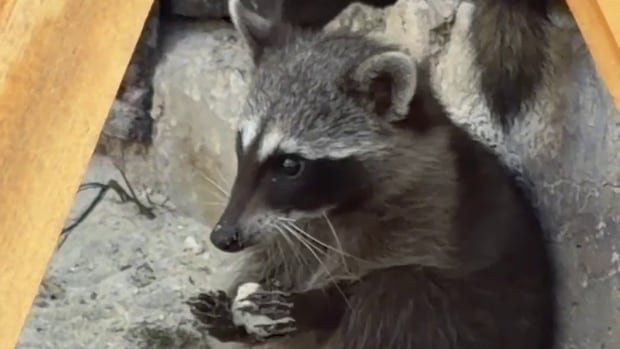

In a recent interview with biologist Nessie O’Neil, she shared her astonishment at observing endangered Mexican pygmy raccoons creating toy balls from trash, marking a significant scientific revelation. O’Neil, a researcher at Miami University in Ohio, recounted her initial reaction to the raccoons’ behavior as “adorable.” Following this discovery, O’Neil refrained from sharing the footage on social media at her advisor’s urging, who emphasized the importance of documenting the phenomenon for a scientific paper.
The published study in the journal Wild details the pygmy raccoons’ unique behavior of scavenging for paper and other materials in bins, fashioning them into playthings, and passing on this skill within their family group. This finding represents the first documented instance of “material culture” among the Procyonidae family, which includes raccoons and related species. While raccoons are known for their playful nature, this innovative toy-making behavior had not been observed previously.
Found exclusively on Cozumel Island near the Yucatan Peninsula, pygmy raccoons are critically endangered due to habitat destruction from tourism development, leading them to rely on human waste for survival. O’Neil witnessed firsthand a juvenile raccoon crafting a paper ball from a discarded receipt, showcasing their resourcefulness in adapting to changing environments. The raccoons’ playful interactions with these handmade toys, including batting them back and forth, demonstrate social object play rarely seen in wildlife.
Despite the intriguing nature of this behavior, caution is advised in labeling it as cultural due to the limited sample size studied. The dwindling population of around 200 pygmy raccoons on Cozumel highlights the urgent need for conservation efforts to protect their habitat and natural food sources. O’Neil emphasized the detrimental impact of human interference, such as feeding the raccoons inappropriate foods like tortilla chips and margaritas, leading to malnourishment and further endangering the species.
Through her research, O’Neil aims to raise awareness about the challenges faced by pygmy raccoons and calls for responsible tourism practices to safeguard these unique creatures. By refraining from feeding or disrupting their natural behaviors, individuals can contribute to the preservation of these animals and their fragile ecosystem.