

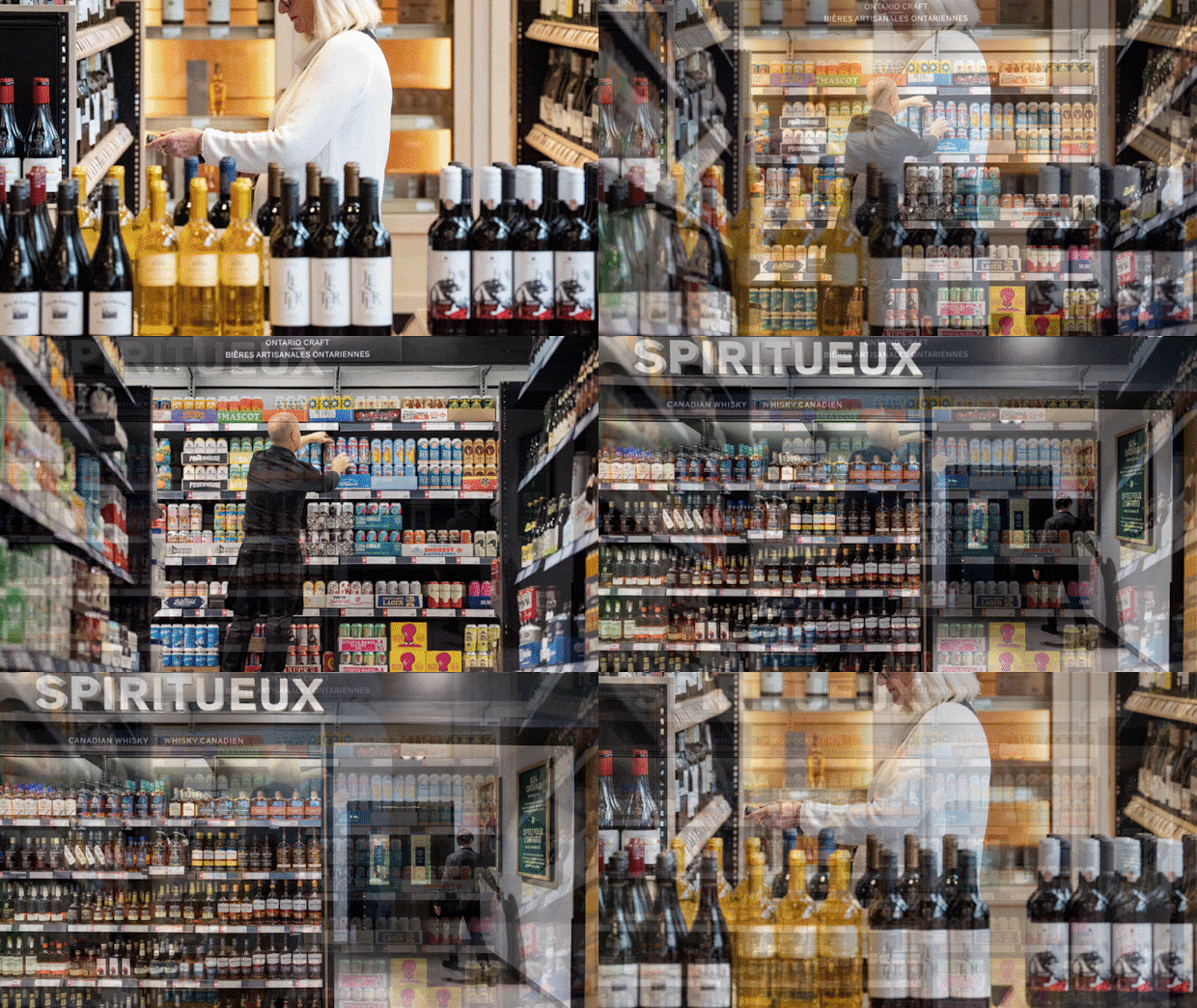

Distiller James Lester, founder of Sons of Vancouver distillery in British Columbia, is facing a new challenge amidst the ongoing trade war turmoil. Recently, certain Canadian alcohol products, dairy byproducts, motorcycles, and molasses have been banned from entering the U.S. market as of 12:01 a.m. ET on Tuesday. This ban has left Lester disheartened as his distillery typically ships a small percentage of their wheated rye to the U.S. annually. Despite having some remaining stock available online in the U.S., the future remains uncertain for the company’s American consumers.
The impact of the import ban is particularly significant for small producers like Sons of Vancouver. According to international trade lawyer Robert Glasgow, while the overall economic impact may not be colossal, individual businesses could suffer greatly. Spirits producers, in particular, are at risk due to the higher volume of liquor exports from Canada to the U.S. compared to beer and wine. Spirits Canada notes that a significant portion of Canadian spirits exports are destined for the U.S., making the loss of this market worrisome.
Although some exemptions exist for certain types of liquor shipments, smaller players in the industry may bear the brunt of the ban. Larger multinational companies with dual facilities on both sides of the border are better positioned to weather the storm. For instance, Crown Royal, known for bulk whisky shipments to the U.S., is expected to navigate the ban more smoothly.
The trade dispute over alcohol has been a longstanding issue, with alcohol becoming a focal point in the trade battle between Canada and the U.S. Alcohol, being a personal and cultural identifier, has been a strategic target in the trade war. The White House cited alleged discrimination against American alcohol, dairy, and automotive products as reasons for imposing tariffs on Canadian goods, including alcohol.
Despite the challenges posed by the ban, industry players like Joan Kautz from Ironstone Vineyards remain hopeful for a resolution. The impact of the ban has been felt by wineries, with significant declines in wine exports to Canada. While the economic repercussions are substantial, there is optimism that a resolution will be reached, allowing for the resumption of trade between the two countries in the future.