

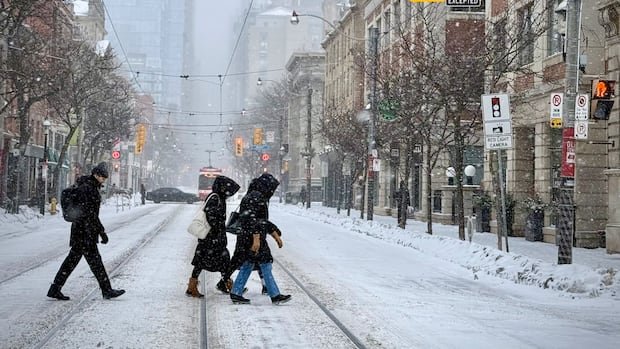

Waymo is set to launch operations in Toronto, facing the challenge of navigating snowy conditions. The U.S. company announced its intention to commence testing in Canada’s largest city, utilizing human drivers initially, as a part of its mapping and safety validation process. The objective is to introduce driverless taxi services by 2028.
The testing will cover various times of the day and week to ensure the technology can adapt to Toronto’s unique driving conditions, particularly the winter weather. This poses a new challenge for Waymo as it has primarily operated in warmer regions like Los Angeles and Phoenix. The company’s autonomous cars rely on sophisticated systems such as cameras, radar, and lidar to make decisions, but snow and adverse weather conditions can impede their effectiveness.
Experts emphasize the need for extensive data collection and training to enhance the system’s performance in winter conditions. Waymo has been gathering data from snowy regions like upstate New York and Michigan, along with operations in Denver, Detroit, and Minneapolis. The company has logged significant hours in snowy weather to improve its autonomous driving capabilities.
Despite the progress, Waymo acknowledges the need for further winter driving data. The company is implementing strategies like using heaters and windshield wipers to maintain clear sensors and collecting real-time weather data during operations. While Waymo has not yet validated its system for snowy conditions, it plans to address winter-related challenges before launching services in Toronto in 2028.
Experts suggest a phased approach for autonomous vehicles, starting with operation in favorable weather conditions and gradually expanding to handle more challenging environments. This incremental process is expected to take several years to perfect, ensuring the safety and reliability of autonomous driving technology.