

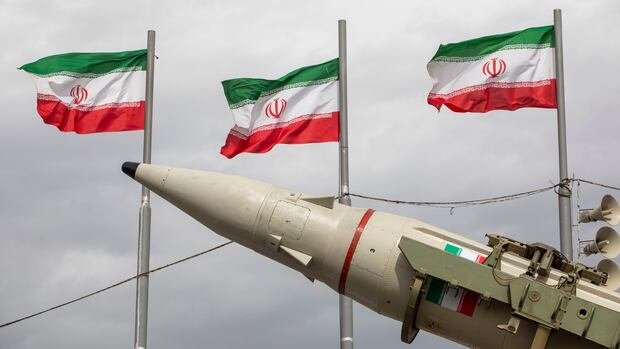

U.S. President Donald Trump expressed approval for a change in leadership in Iran, emphasizing the imminent shift of significant influence to the Middle East, coinciding with the deployment of a second aircraft carrier by the Pentagon in the region. Despite ongoing diplomatic efforts between Washington and Tehran to address Iran’s nuclear dispute with the West, the Trump administration’s military actions and assertive rhetoric continue.
Sources revealed that U.S. envoys Steve Witkoff and Jared Kushner are scheduled to engage in discussions with Iran in Geneva, facilitated by Omani mediators, alongside meetings with Russian and Ukrainian officials to address the conflict in Ukraine. Trump hinted at the notion of regime change in Iran, suggesting it could be beneficial, citing decades of fruitless dialogue resulting in casualties and injuries.
Washington aims for nuclear negotiations with Iran to encompass missile programs, support for regional armed factions, and the welfare of the Iranian populace. Iran has expressed readiness to negotiate restrictions on its nuclear activities in exchange for sanctions relief, rejecting any linkage between nuclear discussions and missile issues. The escalating tensions have led to threats of military action from Trump if no resolution is reached, countered by Tehran’s promises of retaliatory measures, heightening concerns of broader conflict as the U.S. reinforces its presence in the Middle East.
The deployment of the Gerald R. Ford aircraft carrier, the newest and largest globally, to the Middle East, alongside other military assets like the carrier Abraham Lincoln, demonstrates the intricate logistical process involved. Trump explained the necessity of a second carrier in the region as a precautionary measure in case diplomatic efforts fail, underscoring strategic readiness. The United States had previously stationed two carriers in the area during strikes on Iranian nuclear facilities.
With only eleven aircraft carriers in the U.S. military arsenal, their deployment is strategic and typically planned well in advance due to their scarcity. The extended naval operations have prompted considerations for crew morale and operational sustainability. While the Ford carrier, equipped with a nuclear reactor and a diverse aircraft fleet, gears up for the mission, other supporting vessels like the Normandy cruiser and various destroyers enhance combat capabilities in the region.