


Wayne Uhlman, a resident of Lunenburg County, felt extremely fatigued when he visited his doctor about a month ago. He experienced trembling hands due to cold chills, making it difficult for him to even hold a glass. As a result, he was promptly directed to the emergency room, where he underwent intravenous fluid treatment, a blood examination, and was prescribed a 21-day course of antibiotics.
It wasn’t until two weeks later that Uhlman discovered he had tested positive for anaplasmosis, a tick-borne bacterial infection that is increasingly prevalent in Nova Scotia. Despite his belief that he had never been bitten by a tick for more than a brief period, the diagnosis surprised him.
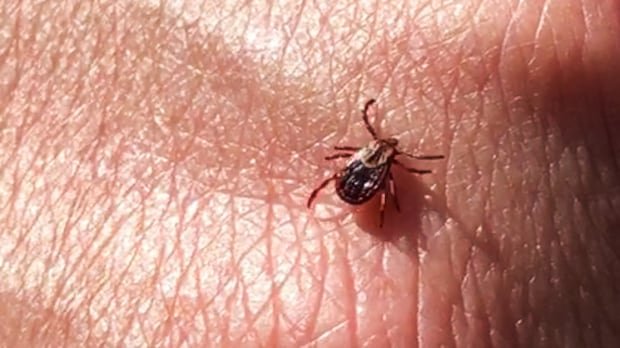
Anaplasmosis is caused by a bacterial pathogen transmitted through the bites of blacklegged ticks (deer ticks) and brown dog ticks, affecting both humans and animals. As of July 13, Nova Scotia has reported 245 cases of anaplasmosis this year, with tick populations on the rise across Canada likely due to extended warmer seasons. Consequently, anaplasmosis has become the country’s second most common tick-borne disease after Lyme disease.
Nova Scotia began classifying anaplasmosis as a notifiable disease in 2023, recording 317 cases that year and 681 cases the following year. Although Uhlman insists the tick was attached to him for only a brief period, research suggests that as little as four hours of tick attachment is adequate for transmitting the bacterium responsible for anaplasmosis.
Anaplasmosis typically manifests flu-like symptoms such as fever, chills, and headache, which generally resolve spontaneously. However, some individuals may be asymptomatic since symptoms do not always manifest. Dr. Glenn Patriquin, a microbiologist and infectious diseases physician at Nova Scotia Health, emphasized the rarity of observing a rash with anaplasmosis compared to Lyme disease, which is characterized by a distinctive bull’s-eye rash.
Doxycycline is commonly prescribed for treating anaplasmosis and Lyme disease. Due to the time required for laboratory results, doctors frequently commence treatment based on symptoms and medical history to expedite recovery. According to Patriquin, anaplasmosis is typically more acute and seldom leads to long-term consequences.
Moreover, while cases of anaplasmosis among pets are increasing, there is no evidence to suggest transmission between humans and animals. In rare instances, anaplasmosis can be transmitted through blood transfusions, organ transplants, and from mother to baby during pregnancy. Seniors and individuals with underlying health conditions are at greater risk of severe illness following anaplasmosis infection.
A spokesperson from the Department of Health and Wellness in Nova Scotia emphasized that preventing tick bites is crucial in safeguarding against tick-borne illnesses. Regular tick checks following outdoor activities are recommended as a preventive measure.
Uhlman has since fully recovered from anaplasmosis and hopes that sharing his experience will raise public awareness about the disease, which can present a variety of symptoms or even none at all. He stressed the importance of vigilance, highlighting that unlike Lyme disease, anaplasmosis does not typically produce a bull’s-eye rash, urging individuals to seek medical attention if they feel unwell after a tick bite.