

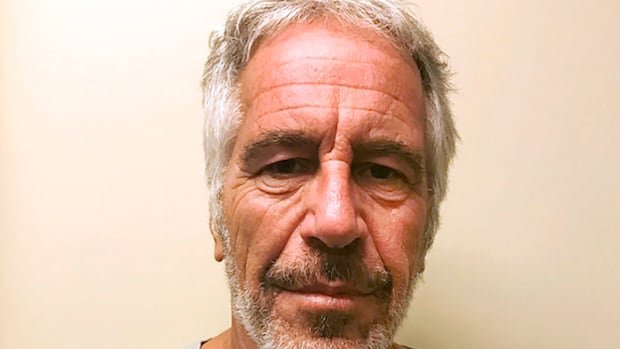

Nearly six years after admitting to a crime that would have made him ineligible, Jeffrey Epstein traveled to Canada, and government officials are evasive about why he was permitted entry. Records showing Epstein’s trip to Vancouver in 2014 were disclosed as part of a release of three million pages by the U.S. Department of Justice investigating claims that the convicted sex offender operated a child sex trafficking ring for the elite.
Despite Epstein’s guilty plea in 2008 and subsequent 18-month prison sentence for soliciting prostitution from a minor, it remains a mystery why he was allowed into Canada. According to an official document from the Canadian consulate in Los Angeles in 2018, Epstein, being a U.S. citizen, was considered inadmissible to Canada due to his criminal conviction. His application for a temporary resident permit was denied, which could have permitted him entry under exceptional circumstances.
However, Epstein managed to visit Canada four years prior to this rejection, with travel records indicating his trip to Vancouver in March 2014 for the TED conference and a stay at the Four Seasons hotel. Despite these documented travels, federal officials have not provided any explanations regarding his entry during that time.
When questioned, Immigration, Refugees and Citizenship Canada redirected inquiries to the Canada Border Services Agency (CBSA) without offering a response. The CBSA declined to comment, citing privacy laws protecting individuals’ immigration and border details as confidential. Former Canadian Minister of Citizenship and Immigration, Chris Alexander, expressed surprise at Epstein’s visit, highlighting that individuals with criminal backgrounds, regardless of nationality, were supposed to be barred entry as per government policy.
The lack of transparency surrounding Epstein’s entrance into Canada in 2014 raises concerns about immigration enforcement protocols and the need for tighter scrutiny in such cases.