

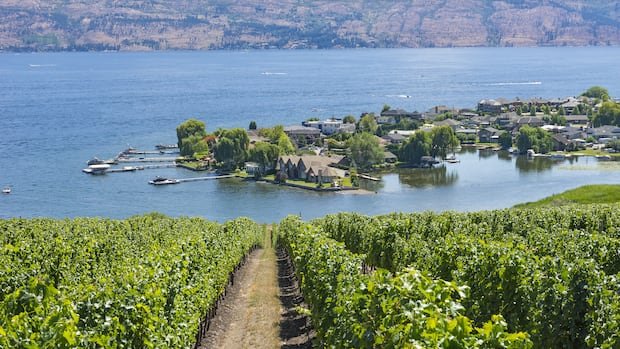

Kelowna, British Columbia, has been officially acknowledged by the United Nations as an exceptional destination for food enthusiasts. Situated in the scenic Okanagan Valley, the city has been granted the prestigious title of Creative City of Gastronomy by UNESCO, making it the first Canadian city to achieve this recognition.
Chief Robert Louie of the Westbank First Nation, which shares borders with Kelowna, highlighted the region’s abundant agricultural resources, including orchards, vineyards, farms, wineries, and craft beverages across all four seasons. He emphasized the city’s appeal as a prime location for globally recognized culinary experiences.
The collaboration between the Westbank First Nation, the City of Kelowna, Okanagan College, and various food industry partners played a pivotal role in securing the UNESCO designation. While Kelowna is renowned for its wineries and upscale dining options, Chief Louie underscored the significance of traditional Indigenous foods such as wild game, venison, moose, elk, and berries in the local culinary scene.
Kelowna’s proximity to the traditional territory of the Syilx people underscores the importance of preserving food culture through responsible stewardship of the land and waterways. Chief Louie cited the restoration of sockeye salmon in Okanagan Lake and its tributaries, facilitated by the Syilx Okanagan Nation, as a significant milestone that will revitalize Indigenous fisheries.
The UNESCO Creative City of Gastronomy designation aligns Kelowna with Montreal, Quebec City, Toronto, and London, Ontario, in Canada’s representation within the Creative Cities Network. Mayor Tom Dyas lauded Kelowna’s recognition as a hub for agriculture, culinary arts, and beverages, emphasizing the economic and cultural impact of these industries on the local community.
Stephane Facon, owner and executive chef of Bouchons Bistro in Kelowna, highlighted the unique culinary offerings of the Okanagan Valley, attributing its success to the region’s favorable climate for diverse produce. He expressed hope that the UNESCO recognition would attract more visitors to savor cuisine made from locally sourced ingredients, emphasizing the consistent quality and service provided to customers.
Chief Louie emphasized the importance of attracting tourists and new patrons to the region following challenging years marked by devastating wildfires and drought. He emphasized the natural beauty of the Okanagan Valley, with its pristine lake, majestic mountains, and picturesque landscapes, as a compelling reason for global appreciation and recognition.