

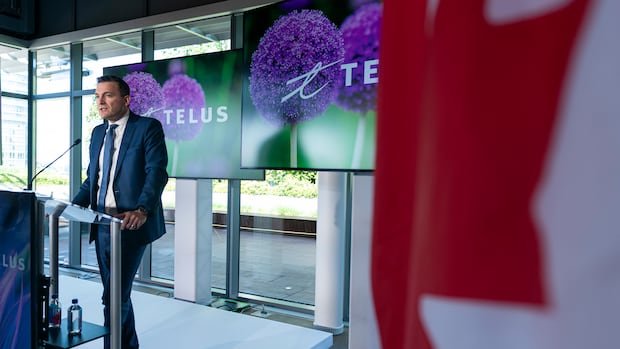

In a recent announcement by the federal government and Telus, plans are underway to establish a new data center cluster in Vancouver and Kamloops. The initiative, part of Ottawa’s “Enabling large-scale sovereign AI data centers” project, aims to enhance Canada’s sovereign compute capacity and bolster its presence in the global AI economy.
Minister of Artificial Intelligence, Evan Solomon, emphasized the significance of building domestic AI capabilities to support Canadian innovators, researchers, and businesses. Telus will expand its Kamloops facility and construct two new data centers in Vancouver, with the first facility set to open at the former Hootsuite headquarters in Mount Pleasant later this year. A second Vancouver facility at 150 West Georgia Street is slated for completion in 2029.
Telus President and CEO, Darren Entwistle, highlighted the environmental sustainability of the project, stating that the facilities will run on 98% clean hydro power and recycle waste energy to heat 150,000 homes. The data centers are projected to use 90% less water than traditional centers, with plans to incorporate recycled water from B.C. Place stadium.
The initiative has received support from the B.C. government, which introduced its AI data center power policy earlier this year. The policy aims to allocate 400 megawatts of electricity to companies over the next two years, prioritizing projects that promote data sovereignty, environmental benefits, and First Nations involvement.
While political leaders lauded the project, concerns have arisen in some communities, such as Nanaimo, where plans for a new data center have faced opposition due to potential water consumption issues. Green Party Leader Emily Lowan criticized the “build-first regulate-later model” and called for a moratorium on new data centers until stronger regulations are in place.
The controversy surrounding data center power and water usage reflects a broader trend across North America as tech companies expand their AI operations. Studies have indicated significant water consumption by data centers, underscoring the importance of balancing technological advancement with environmental sustainability.