

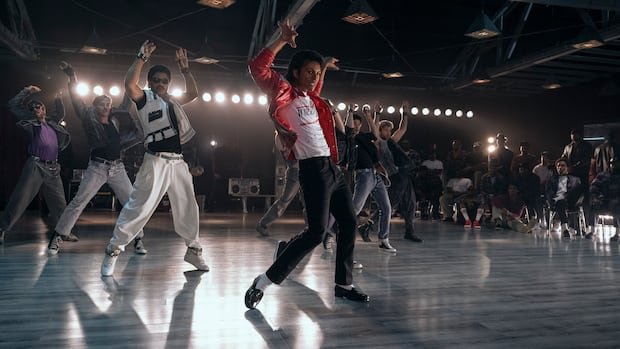

Intrigued by the origins of Michael Jackson’s distinctive voice and his perception of fame’s weight? Wondering about his feelings towards his lost childhood and the existence of Janet Jackson? The answers won’t be found in Antoine Fuqua’s latest biopic, “Michael.” Instead of delving into the complex life of the iconic King of Pop, the movie offers entertainment and a convincing portrayal by Jaafar Jackson, neglecting to explore the depths of its titular star’s psyche.
The film’s portrayal of Michael Jackson’s life was limited due to legal constraints. Originally addressing allegations of sexual abuse, legal agreements led to reshoots focusing solely on his rise to stardom, omitting any controversial elements. The absence of Janet Jackson in the film was reportedly at her request, possibly a wise decision artistically.
While the biopic skims over potentially eyebrow-raising themes, it fails to provide introspection, opting for a sanitized version of MJ’s career and life. The film’s approach, seemingly avoiding controversy, aligns with the notion that audiences prefer entertainment over confronting uncomfortable truths.
Despite MJ’s acquittal on criminal charges, the film’s heavily one-sided portrayal raises questions. It simplifies characters and events, presenting a sanitized narrative reminiscent of authorized biographies that prioritize image management over honest exploration.
“Michael” depicts MJ as a selfless genius, downplaying the complexities of his life. Historical events are portrayed in a feel-good manner, overlooking darker realities. The film’s failure to delve into MJ’s relationships and behavior towards children raises further questions about its superficial portrayal.
While Fuqua’s film may serve a broader cultural narrative, it falls short of providing a nuanced view of MJ’s life. The omission of critical aspects and the focus on a sanitized narrative perpetuates a shallow portrayal that fails to engage with the complexities of MJ’s legacy.