

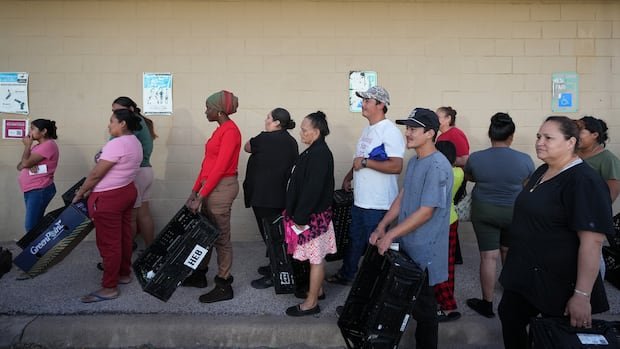

The United States is currently facing its longest government shutdown in history, now in its 36th day. This shutdown has led to significant disruptions in the lives of many Americans, including federal program cuts, flight delays, and federal employees going without pay.
President Donald Trump has stood firm in his refusal to negotiate with Democrats until they agree to reopen the government, particularly concerning expiring health insurance subsidies. Democrats are cautious about trusting Trump’s promises after the administration defied court orders to ensure funding for the Supplemental Nutrition Assistance Program (SNAP).
Trump attributed the Republican Party’s losses in recent elections to the shutdown and reiterated his call for Republicans to end the Senate filibuster to reopen the government. Despite Republicans holding a majority in the Senate, Democrats have repeatedly blocked the House-passed bill to fund the government.
The shutdown has caused a ripple effect, impacting various government services such as food aid and child care support. Federal workers have been left in limbo, with many either furloughed or working without pay. The situation has also raised concerns about potential chaos in air travel if air traffic controllers miss paychecks.
Estimates suggest that the shutdown is costing the U.S. billions each week, with varying figures from different sources. Senate Majority Leader John Thune described this shutdown as not only the longest but also the most severe in history, emphasizing the need for a resolution.
Efforts are underway to find common ground and reopen the government, with discussions focusing on funding agreements and addressing issues like the Affordable Care Act subsidies. The pace of negotiations has picked up, with senators from both parties pushing for bipartisan solutions.
While there are ongoing challenges and uncertainties, there is a growing sense of urgency to resolve the shutdown and mitigate its impacts on the country. Trump’s handling of the shutdown has drawn comparisons to past government closures, highlighting the complexity and consequences of such situations.