

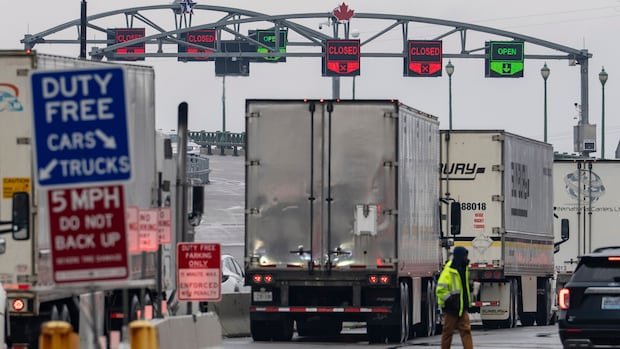

Enforcement of cross-border cargo regulations has significantly increased during the Trump administration, causing delays and financial burdens for shippers. The implementation of tariffs along the 49th parallel has led to heightened scrutiny and penalties in the transportation industry, reflecting a more protectionist stance in the United States.
Breanna Leininger, overseeing U.S. operations at Pacific Customs Brokers in Vancouver, emphasized the substantial changes in customs requirements. The demand for documentation related to shipped goods has surged, with customs now conducting a deeper review of product classifications and trade agreements. The complexity and extent of required paperwork, including labor and manufacturing records, have escalated, creating challenges for importers to comply with evolving regulations.
Data from U.S. Customs and Border Protection reveals a significant rise in audits, with a projected 26% increase in 2026 compared to 2024. The collection of trade penalties by U.S. authorities has also surged, reaching $70.6 million in the first half of 2026, a notable increase from previous years.
The intensified enforcement measures coincide with a growing trade dispute between Canada and the U.S., marked by reciprocal tariff escalations. These border disruptions and heightened documentation requirements have increased costs and logistical complexities for businesses involved in cross-border trade.
Alan Dewar, from GHY customs brokerage in Winnipeg, highlighted the financial strains imposed by these regulatory changes. The additional time and expenses incurred due to border delays and record-keeping obligations have impacted the efficiency and profitability of cross-border transactions.
Despite efforts to navigate the evolving regulatory landscape, some businesses find the compliance process overly burdensome, leading to potential disruptions in cross-border commerce. U.S. Customs and Border Protection emphasized the importance of importers providing accurate and complete information to ensure regulatory compliance, citing ongoing assessments to align with trade dynamics and risk factors.