

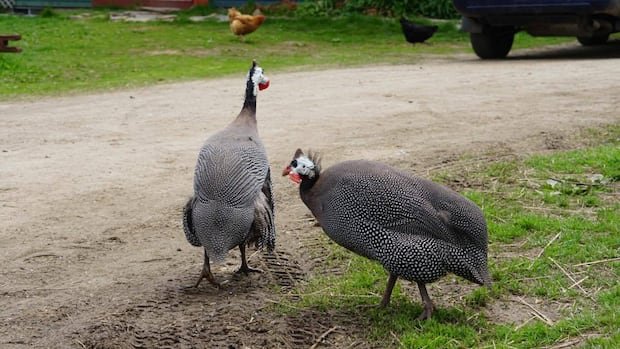

The increasing spread of tick populations in Canada has led more residents in Nova Scotia to seek methods to safeguard their properties — with many turning to a noisy, peculiar avian creature for assistance.
Guinea fowl, a type of large, speckled bird belonging to the same family as chickens and turkeys, are recognized for their insatiable appetite for insects and are now being utilized as natural pest controllers.
Heather Squires has been breeding and offering guinea fowl near Lunenburg, N.S., for over a decade. This year, she has seen a surge in inquiries, with demand nearly doubling. After selling about 70 baby guinea fowl (known as keets), she had to stop sales to maintain an adequate supply for tick control on her own farm.
“Ticks are a rare sight here in Lunenburg County,” mentioned Squires. “It’s not that we never encounter ticks, but it’s quite uncommon.”
The heightened interest has also attracted newcomers to the breeding scene, like Phalen MacLean, who started hatching guinea fowl at her residence in New Glasgow. She observed a noticeable reduction in the local tick population as her flock expanded to 13 birds.
Last year, Nova Scotia had the highest tick numbers in Canada. Veterinarians have documented an increase in anaplasmosis, a tick-borne illness, over the past ten years.
Effectiveness ‘up for debate’
Bruce Rathgeber, a faculty member at Dalhousie University’s agriculture department, mentioned that using guinea fowl for tick control is not a new concept, but the recent surge in ticks is unprecedented in the area.
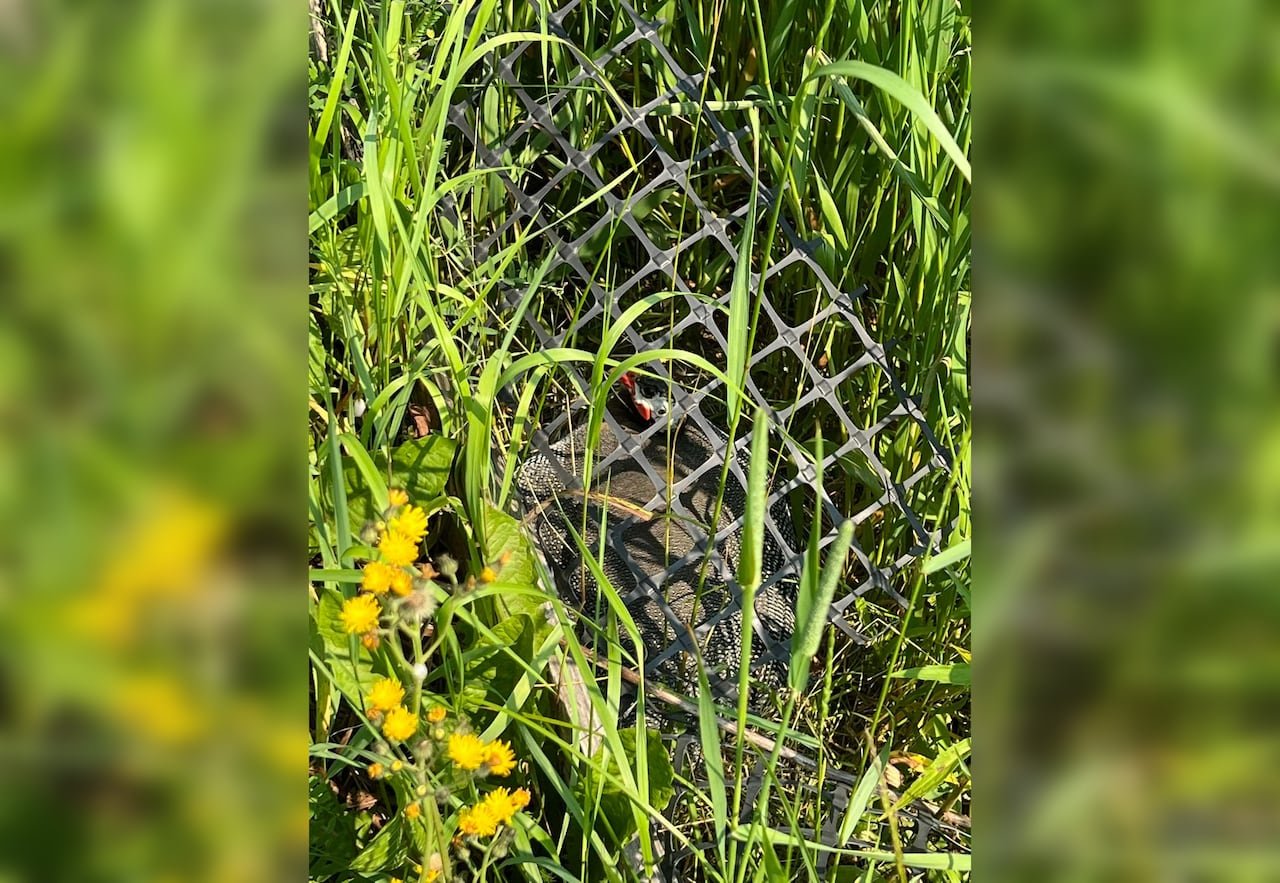
According to Rathgeber, the effectiveness of guinea fowl in reducing tick populations is still uncertain. However, drawing from his own experience with raising fowl, he believes they can offer an additional method of control.
Rathgeber highlighted that existing research suggests that landscape management — such as maintaining short grass and clearing wooded areas away from homes — is a more dependable approach for tick management.
“Owning guinea fowl can be intriguing,” he stated. “But I wouldn’t solely depend on them for tick control.“
Challenges in Breeding
Guinea fowl are notoriously noisy and challenging to breed in captivity, with their intelligence sometimes being questioned.
MacLean noted that these birds can find excellent nesting locations but often roost in trees, even during snowstorms, making them susceptible to predators.
To address this, Squires recommends confining them indoors for three weeks to habituate them to returning home at night, a practice akin to managing chickens.
She also believes that guinea fowl excel over chickens