

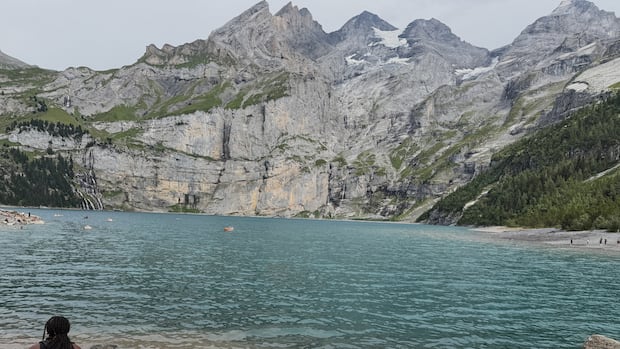

This year, glaciers in Switzerland, which host the largest number in the Alps, experienced a significant ice volume reduction of 5.5 percent, marking the second-largest percentage drop recorded. Experts attribute this decline to heat waves and insufficient snowfall during winter.
In a statement released on Thursday, the GLAMOS Swiss glacier monitoring service along with the Swiss Academy of Sciences warned, “Alpine glaciers cannot endure these conditions in the long run.”
The situation has deteriorated in recent years. Experts indicate that over the last five years, Switzerland’s ice volume has diminished by nearly 20 percent.
This report highlights the growing alarm regarding the adverse effects of global warming in Europe, recognized as the fastest-warming continent globally.
Matthias Huss, the head of GLAMOS, stated, “The current warming we are witnessing is entirely due to human-induced climate change. It’s that straightforward. Without emissions from humans or the use of fossil fuels, we would not be facing any warming right now.”
The significance of low snowfall
The record loss of glacier ice in Switzerland occurred in 2022, when summer heat combined with low winter snowfall and a rare influx of reddish dust from the Sahara darkened the glaciers, causing them to absorb more heat.
Huss explained that winter snow cover is crucial for two main reasons.
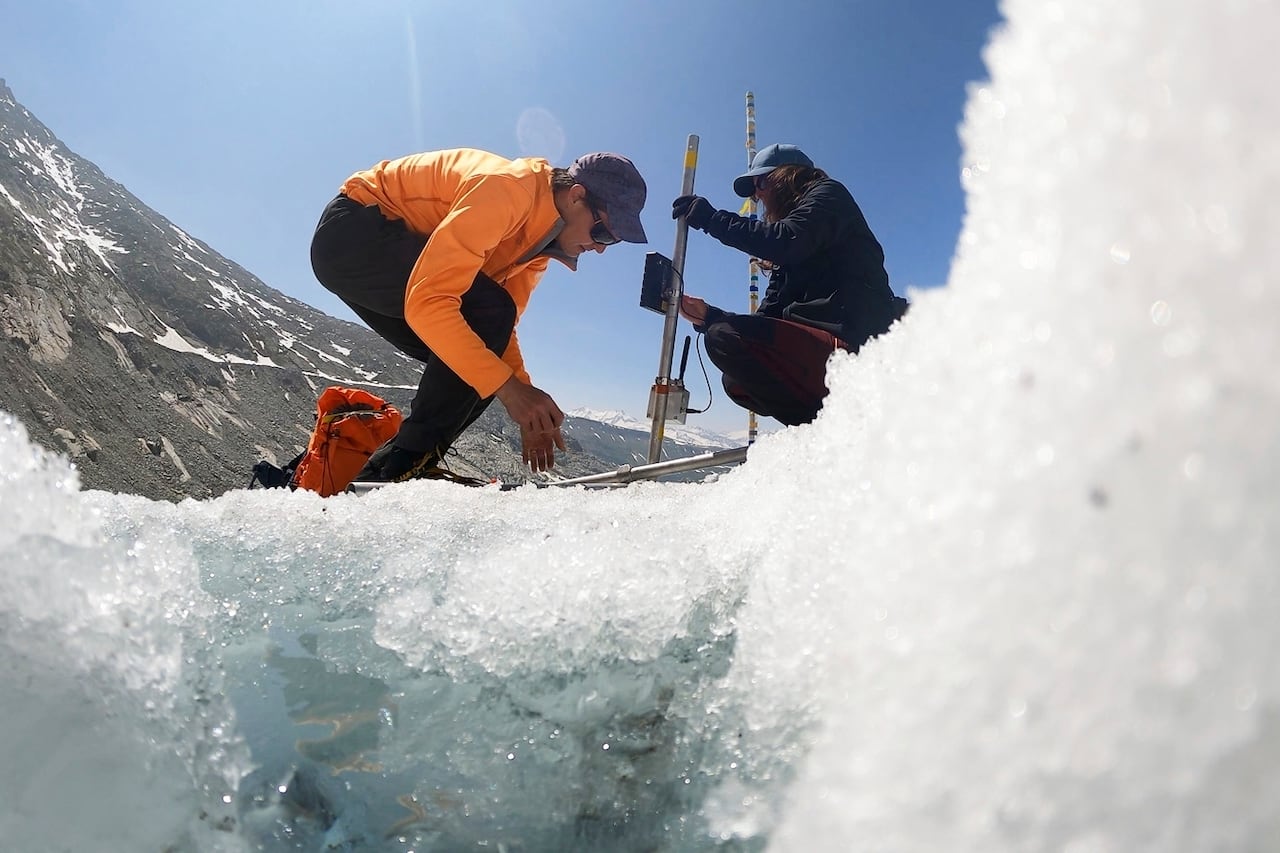
Matthias Huss of the Federal Institute of Technology in Zurich and Monica Ursina Jaeger drill into the Rhone Glacier near Goms, Switzerland, on June 10, 2025. (Matthias Schrader/The Associated Press)
“Firstly, it shields the exposed ice from melting. The longer snow persists, the longer old ice is preserved,” Huss noted in an interview at the Federal Polytechnic Institute ETHZ, where he serves as a professor in glaciology.
“Secondly, snow is vital for producing new glacier nourishment. Increased snowfall enhances the potential to retain some of it at high altitudes, allowing for new ice formation.”
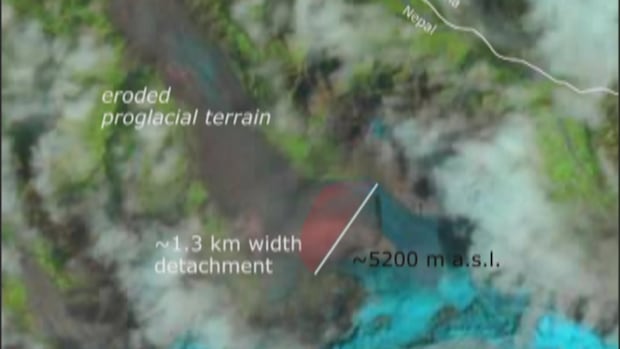
Jakob Steiner, a geoscientist at the University of Graz in Austria, reports that satellite images reveal ‘the lower section of a glacier tongue completely sheared off over a width of 1,300 meters’ and fell off a cliff into a lake 2,000 meters below. He noted that climate change was a contributing factor, and the region is recognized to be at high risk for such collapses.
The extensive thawing occurring in the Alps is not an isolated event: Experts assert that global warming has destabilized a slope in the Himalayas that collapsed in August, resulting in devastating flooding in Nepal. Satellite data has indicated significant glacier shrinkage in regions like Greenland and Antarctica over the past fifty years.
In absolute terms, Switzerland’s ice volume loss has been less than what occurred in 2003, yet the percentage decline this year is more significant. This is due to the fact that the current total volume is roughly one-third of what it was 23 years ago. At that time, the relative decrease was 3.5 percent of the total ice volume in Swiss glaciers.
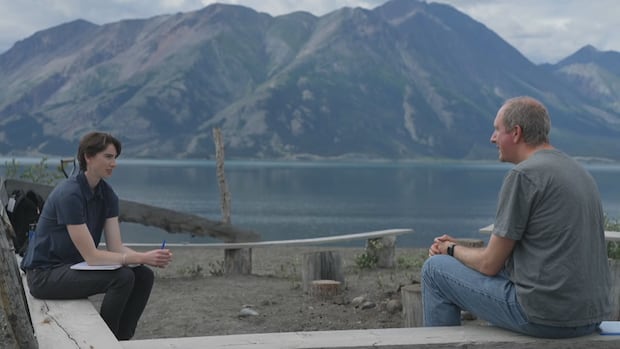
The St. Elias mountain range is home to the largest non-polar icefields in the world. In recent years, climate change has accelerated the melting of glaciers within these icefields, leaving communities that have relied on glaciers for generations to ponder the potential consequences if some of them vanish.
Such rapid ice melt has significant implications for Switzerland, as the loss of 2.2 trillion liters of water from July to September corresponds to four times the annual water usage for the nation with a population of approximately 9.1 million. Notably, more than half of Switzerland’s electricity is sourced from hydropower.
However, the effects of accelerated glacier melting extend far beyond the country itself: Switzerland serves as Europe’s water tower, supplying several of the continent’s major rivers, including the Danube, Po, Rhine, and Rhone.
Experts indicate that this year’s “extreme melting” of Switzerland’s glaciers involved an average thickness decline of two and a half to four meters for individual glaciers, with some glacier tongues losing up to 10 meters.
Glaciers with the most significant melt
Teams of experts have been deployed to analyze runoff and the crevices created by flowing water through the glaciers, partly by introducing red dye into the streams to monitor water movement.
The Allalin, Clarident, Rhone, and Aletsch glaciers — with Aletsch being the largest in the Alps — reported the largest recorded melt this year.
Huss from GLAMOS remarked, “We need to stabilize the climate by reducing CO2 emissions, which will benefit the glaciers,” while also noting that it is “almost too late” for those in the Swiss Alps.
“It’s not yet too late for polar ice sheets,” he added. “There, we can still make a difference, which is crucial to limit sea level rise, a significant threat to billions of individuals residing along coastlines.”
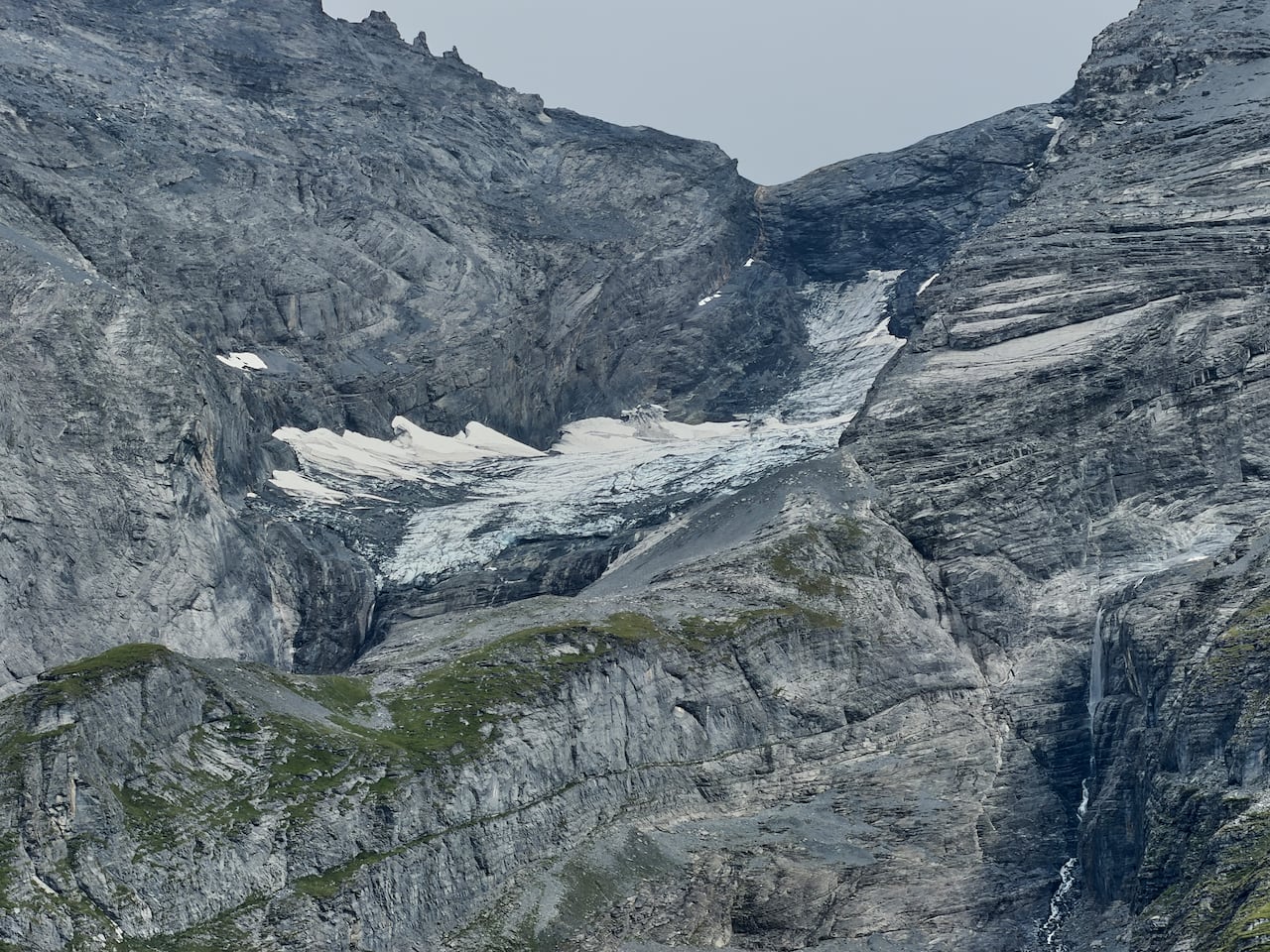
Glacier atop Blueemlisalphorn peak as seen near Kandersteg on August 4. (Hernan Munoz/The Associated Press)