

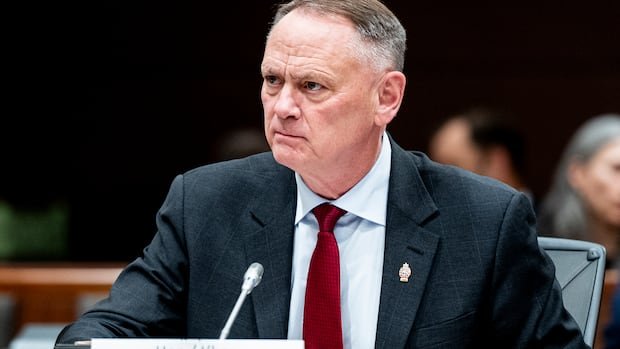

The government’s proposed legislation to address sexual misconduct within the military is encountering resistance from certain victims, former military personnel, and opposition groups. The bill seeks to transfer the authority to investigate and prosecute sexual assault cases from the military to civilian police and judges if approved.
Defence Minister David McGuinty expressed disappointment at the lack of universal support for the bill, emphasizing the necessity of removing this responsibility from the Canadian Forces to facilitate the desired cultural transformation. The legislation aligns with a recommendation made by former Supreme Court justice Louise Arbour in 2022, highlighting concerns regarding the independence and efficacy of military investigators, prosecutors, and the justice system in handling sexual offenses over the past two decades.
Arbour’s investigation into the military’s sexual misconduct crisis, which led to the removal of several senior military figures from prominent roles, prompted the government’s action. Despite opposition MPs voicing reservations about Bill C-11, Minister McGuinty stressed the importance of respecting Arbour’s work and the consensus among military members, victims’ groups, and external stakeholders supporting the change.
While Bloc Québécois and Conservative MPs advocate for enhancements to the bill following victim testimonies, concerns have been raised about the effectiveness of civilian courts in delivering justice to victims of sexual assault due to stringent trial timelines. Retired captain Hélène Le Scelleur proposed a hybrid investigative approach, combining the strengths of both military and civilian systems to address inadequacies in either approach.
Veteran Christine Wood emphasized the need for an independent judicial system within the military, sharing her personal experiences of enduring various forms of sexual misconduct and the challenges she faced in seeking justice. While some experts back the bill, others, including retired colonel Bruce MacGregor, argue that the military’s access to crucial evidence and locations sets it apart from civilian authorities.
Former Supreme Court justice Marie Deschamps cautioned against transferring less severe sexual offenses to civilian courts, citing the risk of fostering a culture of impunity within the military if internal disciplinary measures are bypassed. The Bloc Québécois has proposed exploring options for specialized tribunals to support victims, with Conservative MPs also endorsing the need for amendments to empower victims to choose between military and civilian jurisdiction for their cases.
Minister McGuinty emphasized the initial priority of relocating sexual offense cases out of the military’s justice system, while acknowledging the potential benefits of specialized civilian courts like the one in Quebec. The debate underscores the complex considerations surrounding the handling of sexual assault cases within the military and the quest for a fair and effective justice system for victims.