

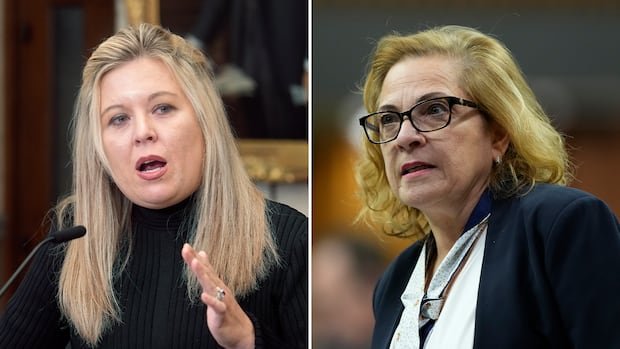

Immigration Minister Lena Diab and Conservative MP Michelle Rempel Garner engaged in a heated debate during a House of Commons committee meeting where they clashed over various immigration issues and even their food preferences. Rempel Garner grilled Diab on her stance regarding the pending C-12 legislation, which grants the government powers to influence immigration processes. Diab faced criticism for not providing clear answers on how these powers would be utilized.
The discussion also delved into concerns about the treatment of non-citizen criminals and their sentencing, particularly in cases where leniency could prevent deportation. Rempel Garner voiced her disapproval of certain sentencing decisions, advocating for stricter consequences and deportation for offenders. Diab emphasized that sentencing decisions are the responsibility of the courts but assured that the government would act against foreign criminals when necessary.
The meeting witnessed tense exchanges between the lawmakers, with Rempel Garner accusing Diab of defending inappropriate behavior. Liberal MP Paul Connors intervened, emphasizing the importance of focusing on issues rather than personal attacks. The session began with a letter from Diab’s deputy minister highlighting instances of bullying and intimidation faced by government officials testifying before the committee, prompting concerns about their safety.
Rempel Garner raised objections, alleging attempts to stifle Conservative voices regarding immigration policy critiques. Diab presented the government’s immigration targets, aiming for sustainable levels post-COVID, with reduced numbers of temporary and permanent residents planned in the coming years. The proposed changes seek to address challenges in managing the influx of immigrants and ensure effective integration within local communities.
The government’s strategy includes stabilizing permanent resident admission targets at 380,000 annually and decreasing temporary resident admissions by approximately 45% in the next few years. These adjustments aim to manage population growth more effectively and align immigration levels with societal capacities.