

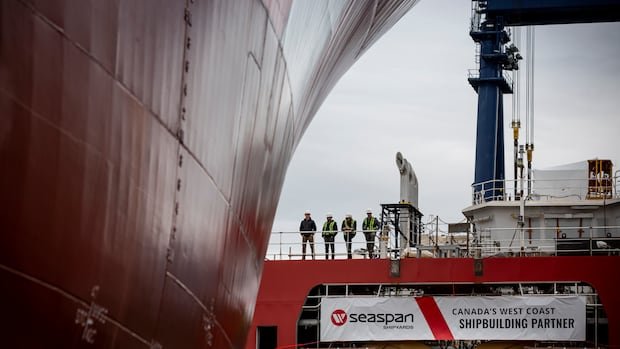

Technicians and engineers are actively engaged in enhancing navigation systems for naval vessels at OSI Maritime Systems’ Burnaby facility. The company anticipates a significant increase in workload due to the surge in defence spending announced by Ottawa.
Jim Girard, the president of OSI, expressed that the current phase marks the onset of a new era for the company. OSI specializes in constructing advanced ship bridges and navigation systems for not only the Royal Canadian Navy but also for 25 other naval forces globally.
Girard highlighted that the company’s workforce has grown substantially to approximately 400 employees, a notable rise from 265 staff members just three years ago.
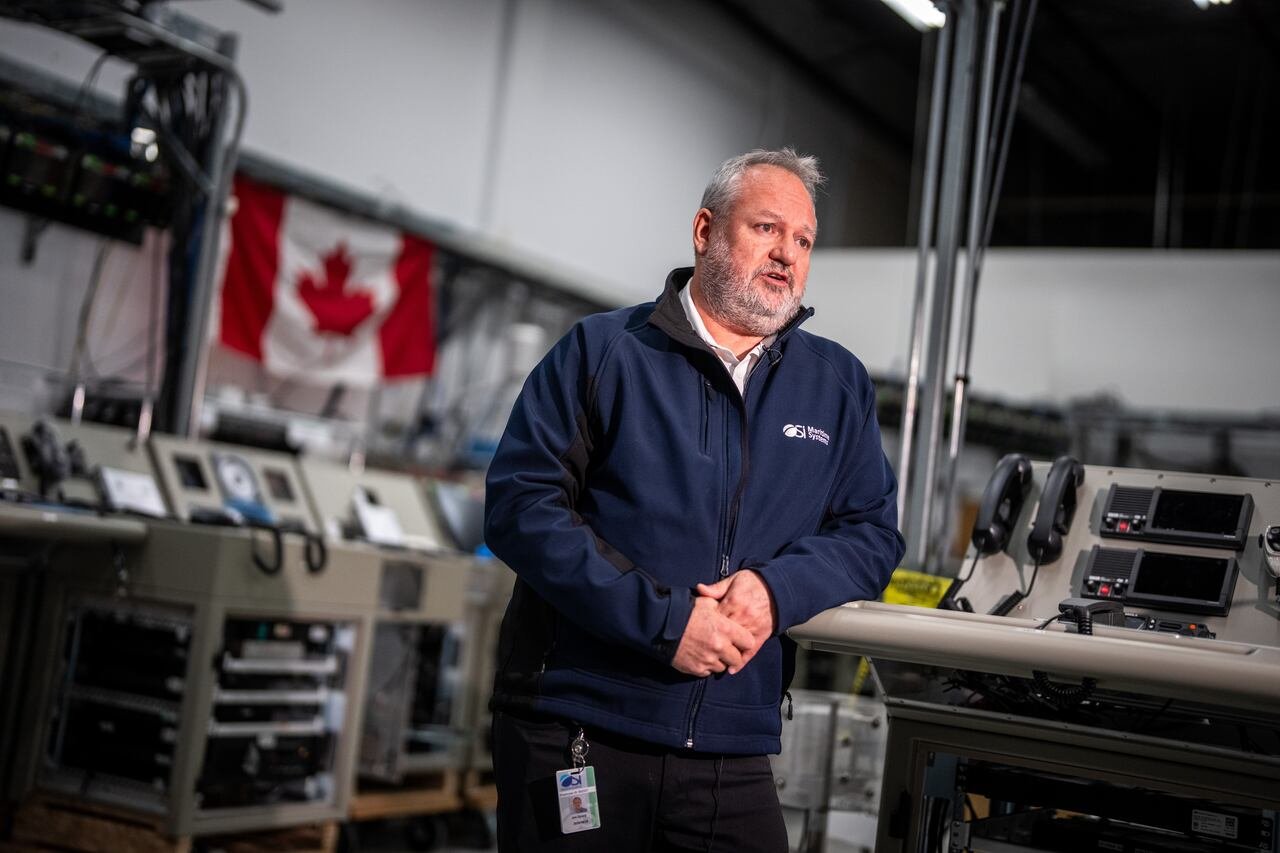
According to Girard, the growth trajectory expected from Canada alone over the next decade is immensely promising and impactful.
Amidst the backdrop of Ottawa’s commitment to bolster defence spending to meet NATO standards, shipbuilding and naval technology firms express optimism about the future landscape.
NATO leaders, including Canada, recently endorsed a plan to elevate defence spending within the alliance to five percent of GDP over the next ten years. In 2024, Canada’s defence spending was estimated to be around 1.37 percent of its GDP.
Ottawa’s recent federal budget revealed a $6.6 billion allocation over a five-year period for the forthcoming defense industrial strategy.
Girard emphasized that the influx of investments presents an opportunity for British Columbia to revitalize its economy and create well-paying job opportunities.
British Columbia has unveiled a comprehensive ten-year strategy named the “Look West” plan to expedite major projects, enhance skills training, and fortify critical sectors, including defense.
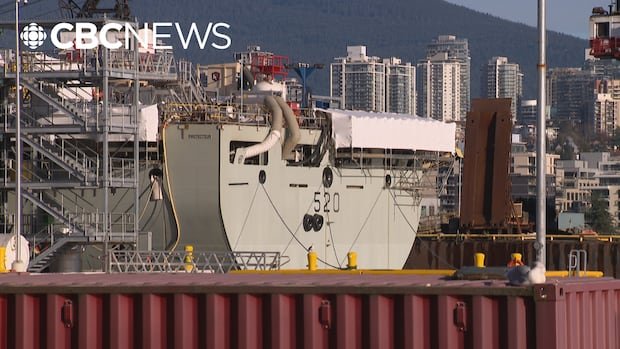
Part of the strategy aims for the province to secure 35 percent of federal defense vessel contracts by 2035, with Seaspan shipyard as a strategic collaborator.
Ravi Kahlon, the Minister of Jobs in B.C., affirmed the province’s commitment to ensuring that local workers and businesses reap the benefits of Ottawa’s augmented spending.