


A Victoria-based company has developed advanced technology capable of detecting marine mammals and is currently testing it on a new electric passenger ferry. Reach Technologies Inc., founded by Glenn Jones, originally focused on aerospace technology before venturing into marine detection 32 years ago. The company has introduced a groundbreaking multispectral camera that provides 360-degree rotation, enabling real-time identification of various objects, debris, individuals, and animals.
Jones mentioned that they are commencing trials with the Department of National Defence this month. The innovative technology can swiftly detect marine mammals as soon as they surface, offering a crucial solution to prevent potential collisions. With eight engineers dedicated to the Maritime Situational Awareness System, Jones highlighted that his company leads the way in this unique technology globally.
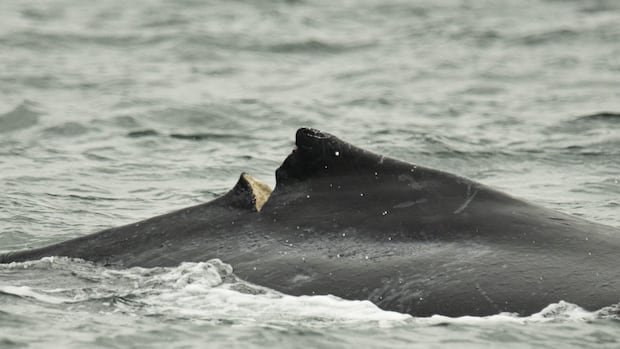
The cost of the devices can be up to $600,000 each, making them a significant investment. The need for such technology was underscored by recent incidents where humpback whales were struck and killed by ferries off the coast of British Columbia. Jackie Hildering from the Marine Education and Research Society emphasized the importance of protecting the humpback whales that frequent areas like Bowen Island and Gibsons.
CIRQL Ferries, planning to operate two electric ferries by 2028, is incorporating this detection technology to enhance marine safety. The ferries will navigate through regions where humpback whales have faced fatal collisions in the past. Anna Hall, a Marine Mammal Zoologist, noted the resurgence of wildlife in Howe Sound and the growing population of humpback whales, which are particularly vulnerable to vessel strikes.
Sean Brillant, a senior conservation biologist at the Canadian Wildlife Federation, warned that even smaller vessels traveling at low speeds could pose a danger to whales. While reducing speed helps mitigate risks, Brillant stressed the importance of avoiding whale-populated areas altogether. Implementing restricted zones and advanced detection technology can significantly reduce the likelihood of vessel strikes.
Darren Pereira, co-founder of CIRQL, emphasized the importance of environmental stewardship in ferry operations. In addition to deploying cutting-edge technology, the staff will receive training to follow protocols that include reducing speed, altering course, maintaining a safe distance from whales, and promptly reporting any whale sightings. The electric ferries are designed to minimize underwater noise, enhancing marine conservation efforts.
As vessels increase in number, the risk of whale strikes rises, necessitating proactive measures to safeguard marine life. Experts recommend creating marine mammal mitigation plans to ensure the safety of both whales and maritime operations. The collaborative efforts of industry stakeholders and conservationists are crucial in achieving a harmonious coexistence between marine traffic and marine mammals.