

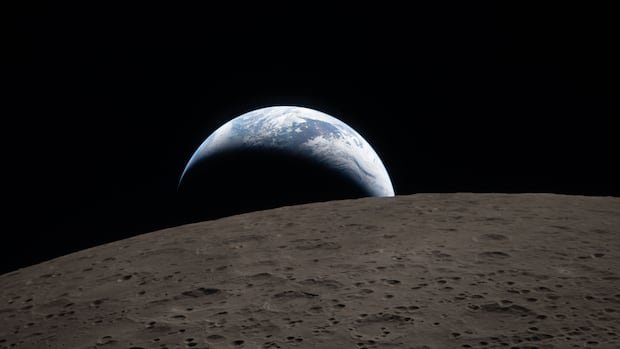

NASA is known for its ambitious “moonshot” projects, aiming to achieve seemingly impossible goals. Originally, this term referred to the historic moon landing in the 1960s. Now, NASA is pursuing a new moonshot: returning astronauts to the moon’s surface by early 2028.
Despite the challenge not being the task itself but the tight timeline, NASA plans to have astronauts on the lunar surface within the next 24 months. While NASA has engaged Jeff Bezos’s Blue Origin and Elon Musk’s SpaceX for lunar lander development, no finished product has been publicly revealed yet.
SpaceX has been testing its Starship rocket, crucial for the moon mission, with some success but it is not yet ready for deployment. Without a lunar lander, any lunar mission remains on hold.
Given NASA’s history of project delays, meeting deadlines for lofty goals has been a challenge. Recent delays have pushed back the crewed lunar mission, initially planned for 2023, to now target 2028. Skepticism exists about NASA’s ability to achieve this goal based on past performance.
Recent adjustments to NASA’s Artemis program include pausing the Lunar Gateway space station construction and shifting the mission responsibilities. Artemis IV is now tasked with putting astronauts on the moon, scheduled for 2028. However, the absence of ready-to-use lunar landers poses a significant hurdle for the mission.
Both SpaceX and Blue Origin face challenges with their respective lander developments, impacting the overall timeline and feasibility of the mission. Complications such as the cancellation of the Lunar Gateway and delays in spacesuit development further complicate the mission’s progress.
The need for refueling in space adds another layer of complexity, with SpaceX and Blue Origin requiring multiple tanker launches for refueling. Challenges in ship-to-ship transfer and testing of the landers further delay progress towards the mission goal.
Concerns raised by the U.S. Office of the Inspector General highlight issues with the current human landing systems, emphasizing the need for robust safety measures in lunar missions. The taller stature of the modern landers and the lack of redundancy in key systems pose additional risks to mission success.
In conclusion, while NASA’s goal of returning astronauts to the moon by 2028 is ambitious, various challenges and delays in critical components cast doubt on the feasibility of achieving this target. The race against China’s lunar exploration plans adds further pressure on NASA’s timeline, raising questions about the mission’s eventual success.