

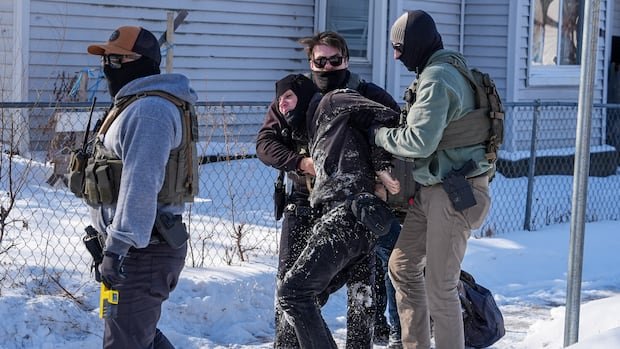

The Trump administration is decreasing the number of immigration enforcement officers in Minnesota following the fatal shootings of two local residents last month, according to border czar Tom Homan. Homan announced that approximately 700 federal agents will be withdrawn from immigration operations in Minnesota, responding to criticism from local officials and citizens regarding the perceived heavy-handed tactics of federal agents that resulted in the deaths of two U.S. citizens.
The victims, 37-year-old Renee Good and 37-year-old Alex Pretti, were fatally shot by federal officers in separate incidents in January. Homan mentioned that the current deployment of about 3,000 federal officers under Operation Metro Surge in the state will see a reduction, including officers from Immigration and Customs Enforcement (ICE) and Customs and Border Patrol (CBP).
The federal government defended the surge in officers as a necessary measure to apprehend criminal immigrants due to challenges posed by state and local sanctuary laws. Homan emphasized the importance of removing dangerous individuals from the streets and highlighted the arrests of unauthorized individuals charged with serious offenses.
Minnesota Governor Tim Walz called for a further reduction in the federal presence, stating that Operation Metro Surge does not enhance safety in the state. Meanwhile, Democrats are advocating for changes to regulate immigration enforcement operations, proposing measures such as officers revealing their identities, obtaining warrants in specific cases, and ensuring accountability through body-worn cameras.
Despite efforts to de-escalate the situation, tensions persist in Minnesota, with incidents involving federal officers drawing guns on activists and arrests made during demonstrations. The Justice Department is conducting investigations into the shootings of Renee Good and Alex Pretti, while federal lawyers have departed amid disagreements over the handling of these cases.
While the Trump administration justifies its immigration policies as reflecting voter preferences, internal dissent within the Justice Department and the departure of key personnel in the U.S. Attorney’s office in Minnesota indicate underlying discontent with the enforcement actions. Ongoing discussions are taking place between federal officials and state authorities to address concerns and seek resolution in the aftermath of the tragic events.