

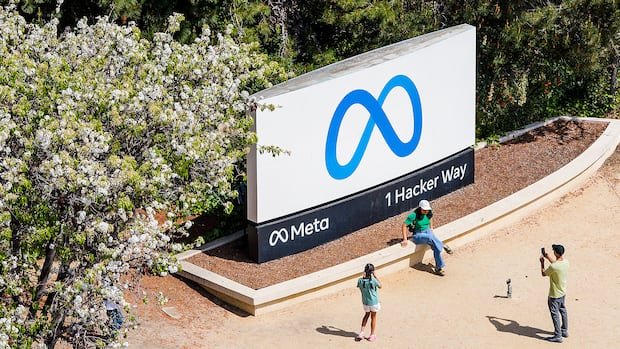

Meta Platforms CEO Mark Zuckerberg has advocated for reducing barriers to open-source AI in the U.S. to enhance competition with Chinese counterparts. The company unveiled a new, smaller and customizable model named Muse Glimmer, which is tailored for running tasks on personal computers with a single graphics card, catering to the growing demand for AI systems directly on users’ devices.
Zuckerberg hinted at the release of larger models in the future, emphasizing the importance of democratizing AI access rather than centralizing power. This move aligns with the trend towards open-weight AI models, allowing users to customize and tailor the models to their specific needs compared to closed models controlled by companies.
Recent incidents involving AI models from various companies, including Meta, have underscored the significance of open-weight AI. High-profile Chinese models like Kimi K3 and the use of such models for cybersecurity purposes have highlighted their versatility and effectiveness. The push for open-weight models has gained momentum, with Meta joining other tech giants in supporting this approach.
While Chinese startups have led the charge in open-weight AI models, U.S. developers are also making strides in this arena. Meta’s stock rose following the announcement of Muse Spark 1.2, its advanced model developed by a specialized team. Zuckerberg outlined plans to address concerns about data-center expansion by offering community support and emphasized the need for infrastructure development in the U.S. to foster innovation.
To maintain a competitive edge in open-weight AI, Zuckerberg called for policy reforms on data usage and model distillation. Meta aims to establish a governance structure empowering independent directors to approve model releases based on safety criteria. The company’s proactive stance reflects a strategic shift towards open-source AI to drive innovation and competitiveness in the global market.