

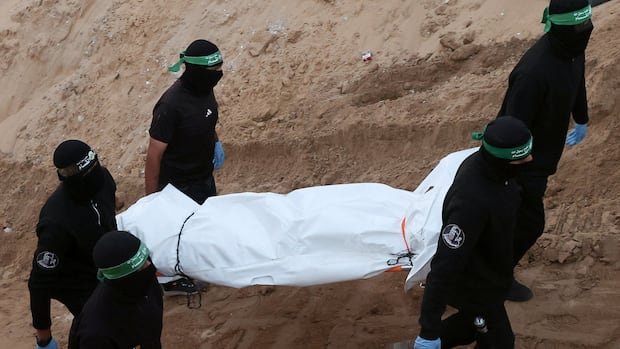

One of the critical issues endangering an already fragile Gaza ceasefire is the sensitive matter of exchanging the deceased. The agreement entails Hamas returning 28 hostages to Israel in exchange for the bodies of 360 alleged Gazan fighters.
Israel has accused Hamas of delaying the process intentionally to maintain leverage, while Hamas attributes the delays to the extensive damage caused by Israeli military actions.
Medical professionals in Gaza have reported that some bodies received from Israel lack proper identification, with numbers instead of names, and show signs of torture, including some with bound hands.
The controversial practice of withholding the dead as a bargaining tool persists on both sides of the Israeli-Hamas conflict, serving as a grim tactic not unique to the current Gaza situation.
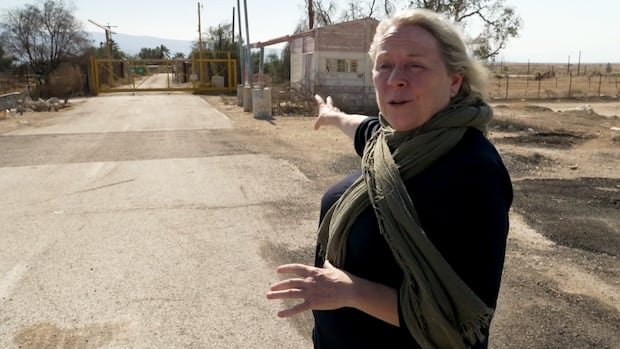
Human rights organizations say Israel has been stockpiling the bodies of hundreds of alleged Palestinian militants for years, often burying them in a so-called cemetery of numbers — something Palestinians consider a form of collective punishment. For The National, CBC’s Margaret Evans goes to the region to learn more about why it happens, and meets people fighting for change.
‘Cemeteries of numbers’
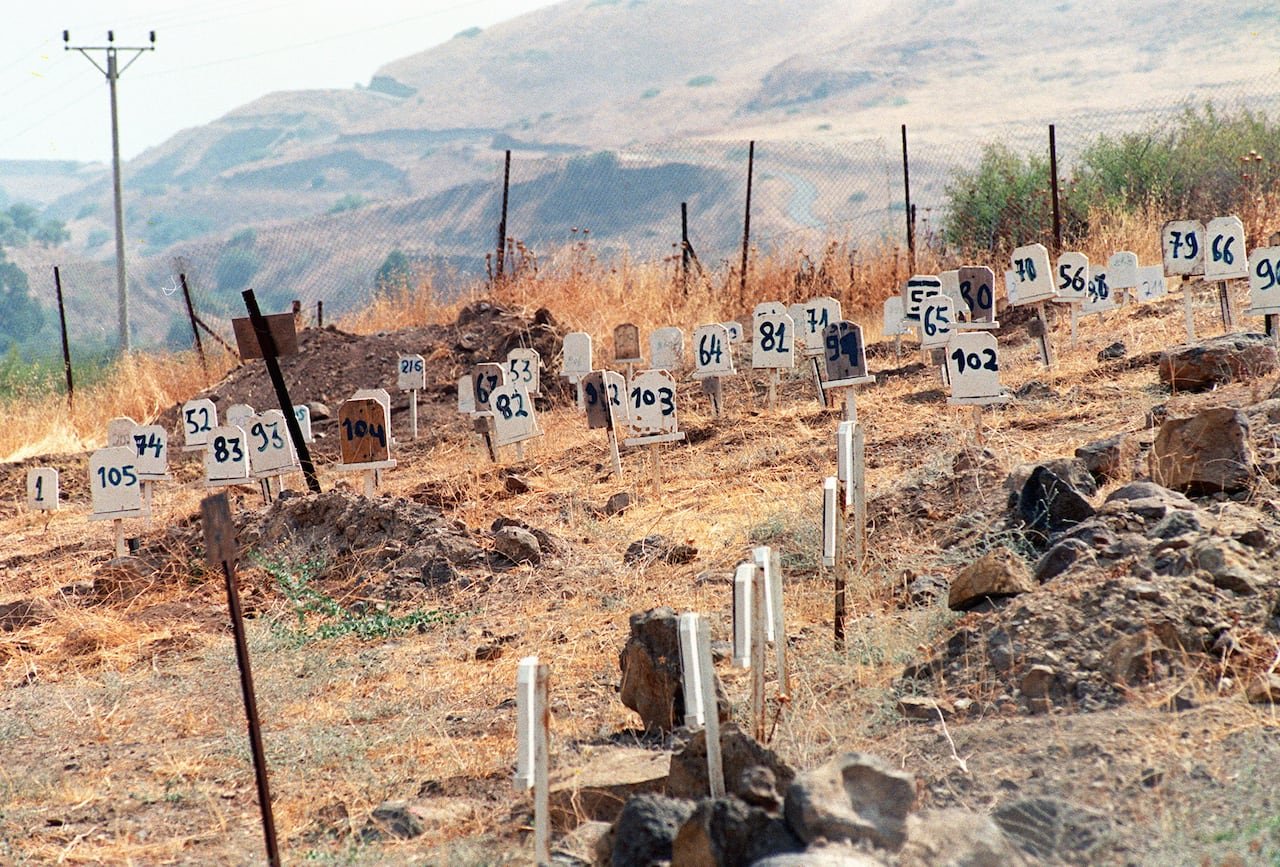
Various human rights organizations claim that Israel has accumulated the bodies of numerous alleged Palestinian militants over the years, storing them as potential bargaining chips in secret graveyards referred to as “cemeteries of numbers.”
Hussein Shejaeya, leading a campaign for the return of these bodies through the Jerusalem Legal Aid and Human Rights Centre, stated, “We have evidence showing 735 unidentified bodies in the cemetery of numbers and in Israeli morgue refrigerators.”
The reason behind the name “cemeteries of numbers” is that the graves are marked solely with wooden or metal sticks bearing numerical identifiers.
Shejaeya mentioned that Israel had held the bodies of 405 Palestinians from various regions before the October 7, 2023, Hamas attacks, and has since added at least 330 more. Reports suggest that Israel may also possess the remains of up to 1,500 Gazans in morgues across the country.
“Once the Israeli military is granted permission to retain a body, it is buried, making it challenging to retrieve as it involves a lengthy legal process,” Shejaeya explained.