

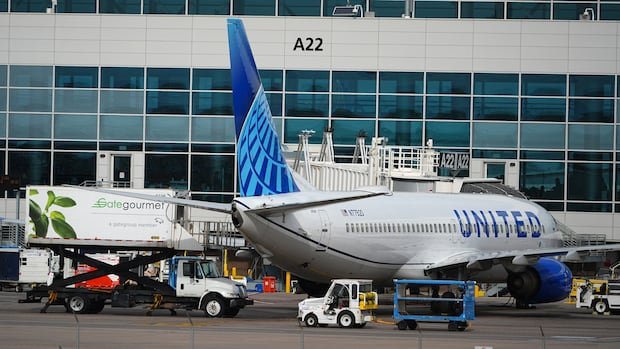

Hundreds of flights have been canceled throughout the United States this week, and more cancellations are anticipated in the upcoming days due to airlines adhering to a mandated reduction in service amidst the ongoing government shutdown. The Federal Aviation Administration (FAA) is implementing a plan to decrease air traffic by 10 percent to address staffing shortages resulting from the shutdown that commenced on October 1.
The flight cuts are aimed at alleviating pressure on air traffic controllers who are working without pay due to the shutdown and have been increasingly absent. The FAA expressed concerns about safety risks and operational capacity with the current staffing challenges. Recently, an air traffic control tower at Hollywood Burbank Airport in Southern California was left unattended, causing flight delays.
U.S. Transportation Secretary Sean Duffy acknowledged the challenges faced by air traffic controllers and urged Democrats to end the shutdown to restore normal air travel operations. The reductions in flights will affect 40 major travel hubs across the U.S., with the percentage of cancellations gradually increasing over the coming days.
The U.S. government shutdown began in early October due to a funding disagreement, leading to widespread service disruptions. The shutdown, now in its record-setting 36th day, continues as negotiations between President Donald Trump and Democrats remain at a standstill. The impact of the shutdown extends to health insurance subsidies and ongoing healthcare funding debates.
While the flight cuts primarily impact domestic flights in the U.S., Canadian travelers may also experience disruptions, especially with connecting flights. Airlines like Air Canada, Porter Airlines, and WestJet are already taking measures to manage potential delays and offer flexibility to affected customers.
The duration of the flight disruptions is uncertain and depends on the resolution of the government shutdown. The FAA plans to reassess operational restrictions once funding is restored and the system stress decreases. However, with no clear end to the shutdown in sight, the timeline for returning to normal flight operations remains uncertain.