

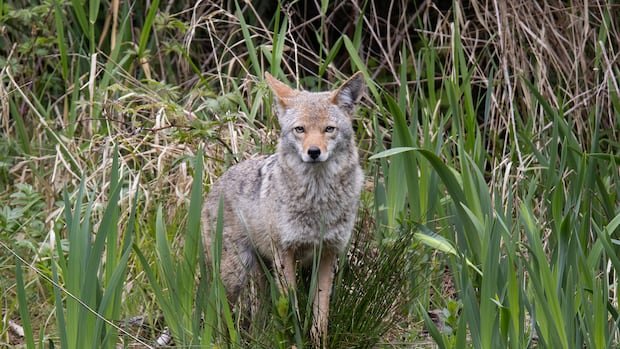

Residents near Vancouver’s largest urban park experienced an unusual surge in coyote attacks from December 2020 to August 2021, prompting authorities to conduct a cull of 11 animals. While coyote aggression towards humans is typically rare, the spike in attacks raised concerns. Researchers at the University of British Columbia, led by zoology doctoral candidate Nathan Lewis, investigated the reasons behind this alarming trend.
Their study, recently published in the scientific journal “Animal Behaviour,” identified the COVID-19 lockdowns as a contributing factor. The restrictions led to increased human presence in Stanley Park, causing the coyotes to become habituated to people. This familiarity resulted in heightened aggression, with the park experiencing an unprecedented frequency of attacks, averaging one every six days.
Lewis highlighted that during the research period, there was a noticeable increase in people feeding the coyotes, despite it being prohibited under a 2024 bylaw in Vancouver. Feeding wild animals can lead to dangerous associations with humans and potentially aggressive encounters. Consequently, two individuals were arrested for allegedly feeding coyotes in Stanley Park shortly after a culling operation concluded in September 2021.
Suggestions for enhancing public safety included avoiding known den sites to reduce the risk of defensive attacks, especially during the coyotes’ pup-rearing season. The study recommended educating visitors about the elevated risk of solo activities and improving signage in multiple languages to raise awareness. Lesley Fox of The Fur-Bearers emphasized the importance of enforcing existing bylaws and promoting coexistence through education rather than resorting to culling as a solution.