

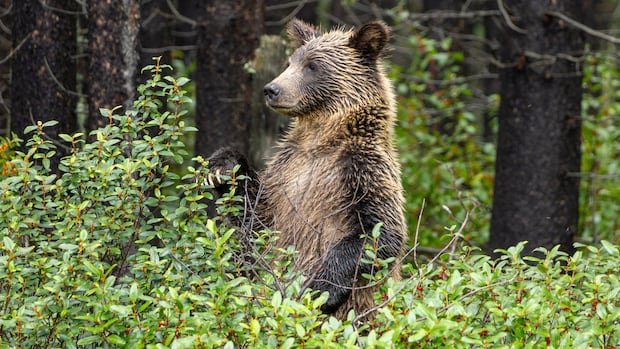

Conservation groups are questioning recent appeals from the Alberta government to reinitiate grizzly bear hunting after a hiatus of twenty years. The Rural Municipalities of Alberta (RMA) passed a resolution last month urging the provincial government to implement a regulated grizzly bear hunt through a draw system. However, conservationists emphasize the necessity of a science-based approach to grizzly bear management due to the lack of recent population studies.
The Alberta Wildlife Federation has expressed willingness to support a “limited harvest” of grizzly bears if it aligns with a comprehensive management plan. They stress that any regulated hunt should be rooted in solid scientific principles that prioritize sustaining the grizzly bear population while considering human safety and property protection needs.
The RMA’s push for a grizzly bear hunt is a response to heightened human-bear interactions in southwestern Alberta, as reported by Cardston County. The incident involving a fisherman injured by a grizzly with cubs near Cardston last summer, approximately 20 kilometers from the U.S. border, underscored the need for action. The resolution received majority support from RMA’s membership, comprising over 60 rural Alberta counties and municipal districts.
Despite the call for hunting, conservation specialist Ruiping Luo from the Alberta Wilderness Association asserts that current evidence does not justify commencing a grizzly bear hunt. The lack of recent population data raises concerns about the rationale behind such a decision. Without up-to-date statistics, increased human-bear encounters could be attributed to habitat disturbances rather than a surge in grizzly numbers.
Grizzly bears in Alberta have been designated as a threatened species since 2010, with the provincial government estimating a rise in population from around 800 to over 1,150 bears. Hunting of grizzly bears has been prohibited in Alberta since 2006, except for Indigenous hunting for cultural or sustenance purposes. The province also permits the targeted removal of “problem” grizzlies through the Wildlife Management Responder Network.
Financial constraints have hindered recent grizzly bear population studies in Alberta, prompting calls for renewed research efforts. Biologist Gordon Stenhouse advocates for allocating resources to monitor grizzly bear populations effectively, emphasizing the importance of data-driven decisions for managing threatened species. Collaborative initiatives, such as engaging local communities in data collection through methods like DNA analysis of grizzly bear hair, could offer cost-effective solutions to monitor bear populations.
The debate surrounding grizzly bear hunting in Alberta continues to unfold, with stakeholders emphasizing the significance of updated scientific research and data-driven approaches in making informed wildlife management decisions.