

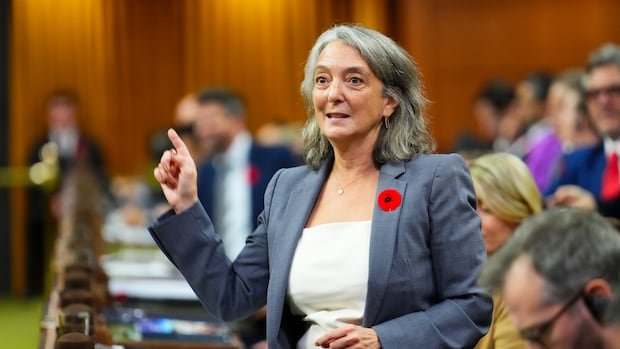

Canada’s new environment minister and officials from Environment and Climate Change have affirmed the federal government’s commitment to the national climate targets set during Justin Trudeau’s time in office. Environment and Climate Change Minister Julie Dabrusin reiterated that the government stands by the ambitious goal of reducing greenhouse gas emissions by at least 45% below 2005 levels by 2035. Prime Minister Mark Carney also expressed support for these targets when unveiling the “Buy Canadian Plan.”
Previously, there were uncertainties surrounding the government’s stance on the emission reduction goals, but Minister Dabrusin clarified that these targets are indeed the country’s objectives. This affirmation from both the minister and the prime minister marks a significant endorsement of Canada’s current climate ambitions.
Notably, the recent Climate Competitiveness Strategy released by Dabrusin and Carney omitted reference to the near-term targets, leading to speculation about a potential shift in priorities. However, during a media briefing held by Environment and Climate Change Canada officials ahead of the United Nations Climate summit, COP 30, it was emphasized that the 2035 target remains a key part of Canada’s commitment to combating climate change.
While some reports suggest that Canada may fall short of its 2030 climate goal, experts stress that progress, even if not meeting all targets, is crucial. The Canadian Climate Institute’s report highlights the importance of these targets as guiding principles for countries to adjust their climate actions.
As countries convene for COP 30, marking a decade since the Paris Agreement, efforts are being made to limit global warming. Canada, among nearly 200 nations, has submitted new climate plans that, if fully implemented, could help reduce the projected global temperature increase. Though challenges remain in meeting the Paris Agreement’s goals, continued efforts offer hope for progress in combating climate change.