

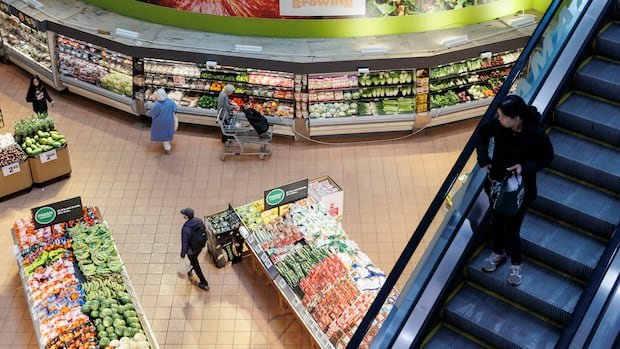

Canada’s grocery sector could see increased competition through the implementation of a new $3.2-billion food security strategy proposed by Prime Minister Mark Carney. The strategy aims to boost competition by investing $1 billion in creating and expanding food terminals and hubs, such as the Ontario Food Terminal in Toronto, to help independent grocers purchase food at more competitive prices. The government plans to expand the Ontario Food Terminal by the end of this year and construct two new terminals by 2028, along with expanding 10 food hubs.
Additionally, the strategy allocates $12.9 million annually to the Competition Bureau to identify and address anticompetitive practices within the industry. Funding is also provided to support domestic food processing and greenhouse production. Gary Sands, from the Canadian Federation of Independent Grocers, expressed optimism about the measures, stating that they could enhance affordability and strengthen independent grocers’ competitiveness.
The addition of more food terminals, a long-standing advocacy point for Sands, is seen as a positive step. These terminals, like the Ontario Food Terminal, facilitate interactions between grocers and numerous producers, enabling better pricing negotiations. While the Ontario terminal primarily offers fresh produce, there is hope that future terminals and hubs will include a wider range of products to further enhance competition.
Despite the positive outlook, some grocers remain cautious about the immediate impact of the strategy. Craig Cavin, an operations director at Country Grocer, believes the benefits may take time to materialize. The ongoing consolidation in the industry, with five major grocers dominating 75% of sales, presents a challenge. However, the increased focus on competition up the supply chain is seen as a promising shift that could lead to changes in pricing and product availability in the future.
While the measures are expected to support existing independent grocers, doubts linger about their potential to disrupt the dominance of major chains in the market. Sands acknowledges that the announced measures will aid independent grocers in competing and serving consumers but may fall short of significantly challenging the market share of larger chains.