

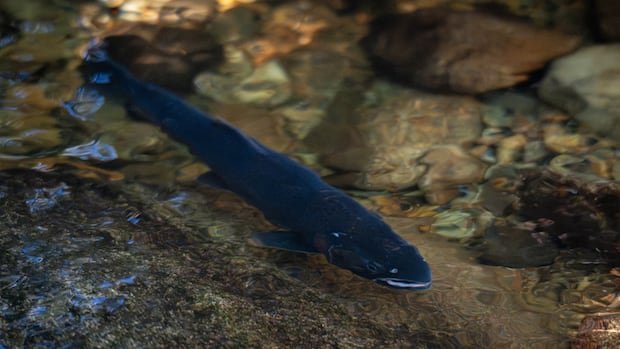

The Canadian government has committed $412.9 million over a span of five years to extend the Pacific Salmon Strategy, aiming to safeguard and revitalize wild salmon populations. Fisheries Minister Joanne Thompson disclosed the plan in North Vancouver, emphasizing the collaborative efforts that have proven successful in enhancing habitat, expanding hatchery programs, refining management practices, and safeguarding vulnerable stocks during the initial phase of the initiative.
Thompson acknowledged the ongoing challenges faced by wild Pacific salmon and underscored the importance of renewing the strategy, emphasizing a science-based approach, Indigenous leadership, and a collective responsibility to ensure the conservation of salmon for future generations.
Environmental groups in British Columbia welcomed the funding announcement but stressed the necessity of utilizing the funds effectively to conduct on-ground assessments, particularly regarding risks posed by potentially polluting major projects. Aaron Hill, the executive director of Watershed Watch Salmon Society, expressed concerns about the potential environmental impacts of resource projects on wild salmon and called for sustained funding for critical programs such as stock assessments and selective fishing initiatives to support the recovery of dwindling salmon populations.
According to federal reports, 24 wild Pacific salmon populations are classified as endangered, 10 as threatened, and nine as of special concern. Misty MacDuffee from the Raincoast Conservation Foundation highlighted the importance of advancing selective fishing practices to prevent the mixing of wild and hatchery stocks, thereby reducing risks associated with certain fishing methods.
The Pacific Salmon Strategy, initiated in 2021, has fostered collaborations among the Canadian government, provincial and territorial authorities, Indigenous communities, fisheries stakeholders, scientists, environmental organizations, and coastal communities. These partnerships have played a pivotal role in habitat restoration, combating illegal fishing activities, and constructing or upgrading over 70 hatcheries along the West Coast.