

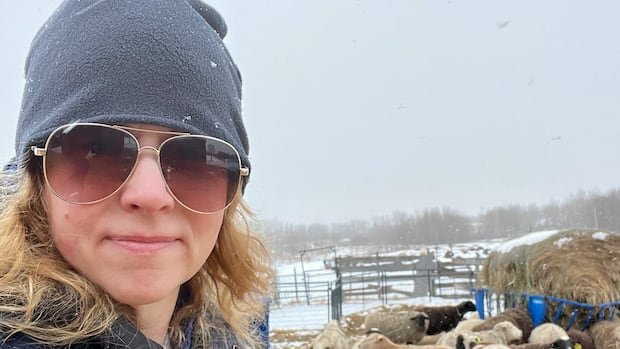

Teresa Patry, a farmer and rancher from Vermilion, Alberta, is among those feeling frustrated by the actions of the province’s oil and gas regulator. Patry has two active oil wells on her property that an independent air quality assessment revealed are emitting methane and potentially harmful chemicals in the direction of her residence, affecting her family and livestock. Despite Patry’s concerns about the impact on her health and that of her loved ones, she claims that every time she contacts the energy regulator, she is reassured that everything is in order.
The Alberta Energy Regulator (AER) stated that it could not provide details on specific complaints from landowners but mentioned that it operates in line with government policies. Environmental advocates have reported numerous cases similar to Patry’s, where landowners have aging or decommissioned oil wells on their land causing environmental pollution and health issues without receiving adequate support from the government.
As Alberta focuses on addressing methane emissions and dealing with aging oil and gas infrastructure, concerns persist that individuals like Patry may continue to be overlooked. Patry, who initially trusted the industry when her parents signed a lease in 2006, now feels let down by the regulators and the industry. The wells on her property, initially unnoticed, have become a source of noise and unpleasant odors, leading to health concerns for her and her family.
The controlled release of unburned natural gas, known as venting, is a common issue in such cases, with methane being the primary component. While methane inhalation at low levels may not pose immediate harm, the presence of volatile organic chemicals (VOCs) in these emissions has been linked to various health problems, including serious conditions like cancer. Patry’s concerns have been met with responses from regulators stating compliance with venting thresholds but failing to address the broader health impacts.
Advocates, including medical professionals like Dr. Ulrike Meyer, emphasize the need for independent health assessments and stricter regulations to protect communities from the dangers posed by industrial activities. Patry’s experiences underscore the challenges faced by many landowners dealing with similar issues, suggesting a pressing need for regulatory reforms to prioritize public health and safety.
Despite Patry’s persistent efforts to seek assistance, both from the regulator and elected officials, the response has been consistent in affirming compliance with regulations. Tim Doty, an environmental inspector, conducted assessments revealing continuous venting from the wells on Patry’s property, raising further concerns about the health risks posed by such activities. The lack of concrete action and accountability from authorities has left individuals like Patry feeling unheard and disregarded.
As discussions around managing aging oil and gas infrastructure continue, advocates stress the importance of prioritizing the well-being of affected communities. The need for stronger enforcement and regulatory reforms is evident, with calls for measures that offer better protection for individuals like Patry who find themselves at the mercy of industrial activities impacting their health and livelihoods.