

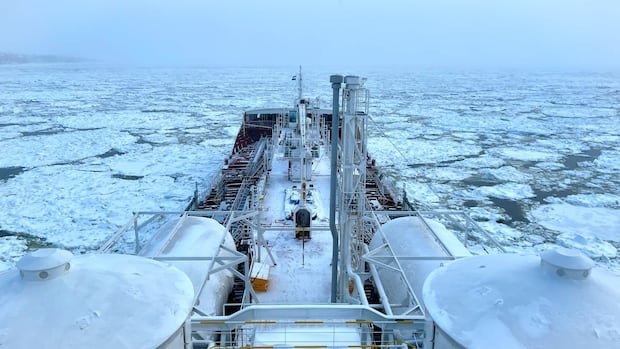

Key Arctic shipping companies are expressing the need for enhanced information and more icebreaker vessels to aid their navigation through Arctic waters, which are becoming increasingly challenging due to rising winds and sea ice levels.
A joint open letter from executives of Quebec-based sealift firms NEAS Group, Desgagnés Transarctik Inc., and Armateurs du Saint-Laurent urges government officials at the federal and provincial levels to invest in infrastructure, mapping tools, and data resources to upgrade and fortify their shipping routes.
According to the letter, investing in local housing and training programs would facilitate quicker establishment of search and rescue facilities, healthcare services, and employment opportunities for young individuals in the region.
These companies specialize in transporting essential supplies such as food, fuel, equipment, and construction materials to Arctic communities and businesses.
As temperatures rise, the shipping seasons prolong, but operators navigating the Arctic waters emphasize the unpredictable nature of the conditions they face.
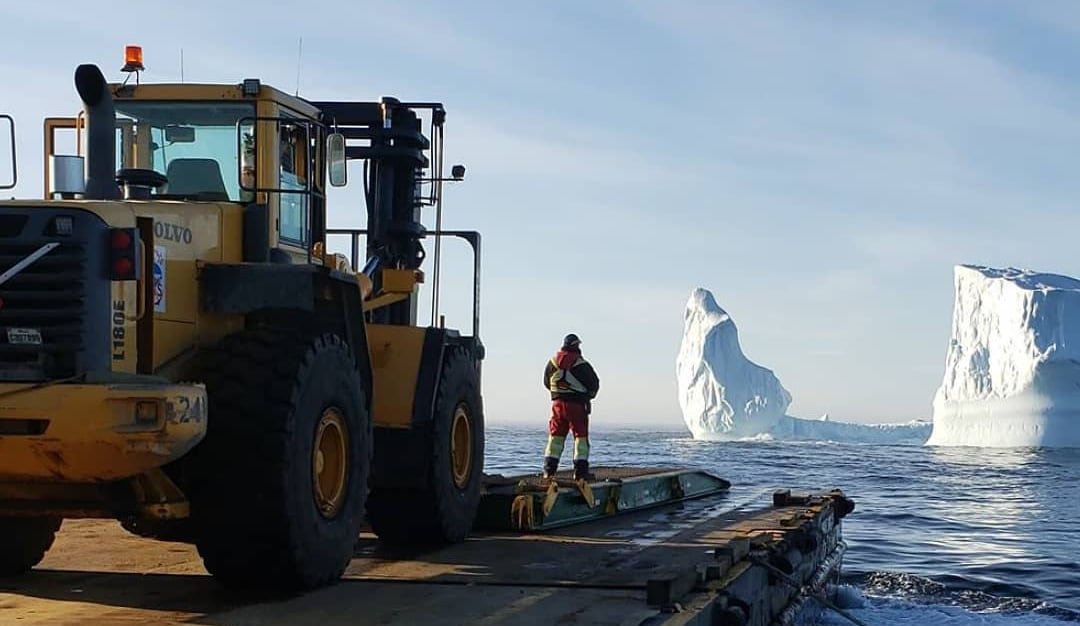
These businesses play a crucial role in delivering vital supplies to Arctic communities and businesses. They stress the necessity for additional resources to ensure the safe and efficient transportation of these goods. (Submitted by NEAS)
David Rivest, the President and CEO of Desgagnes Transarctik Inc., noted an increase in fall winds leading to larger waves and more hazardous ice floes in previously stable areas, affecting crew safety and productivity.
Rivest highlighted the evolving dynamics of the shipping season due to these changes, emphasizing the importance of access to data from entities like the Coast Guard and Environment and Climate Change Canada to aid in forecasting and navigation.
Daniel Dagenais, President and CEO of NEAS Group, echoed the sentiment, emphasizing the significance of tools like bathymetry and ice data for improved safety and navigation in the Arctic.
He stressed the need for more detailed and up-to-date information to enhance Arctic navigation safety.
Dagenais also emphasized the necessity for additional infrastructure, such as ramps extending from community beaches, to enhance accessibility for ships, citing the example of Kinngait where extended access has facilitated increased transportation efficiency.
He highlighted the role of ramps in facilitating the transportation of heavier loads like prefabricated buildings, which are increasingly being shipped.
The federal government has committed to constructing two new polar icebreakers by 2030 and 2032.
In its foreign policy released in 2024, the government acknowledged the pressing issues related to disappearing sea ice and changes in the floe edge.
Rivest emphasized that the infrastructure improvements requested by the companies are not just about financial gains but also about the substantial impact on communities, including the provision of homes, schools, and healthcare facilities.