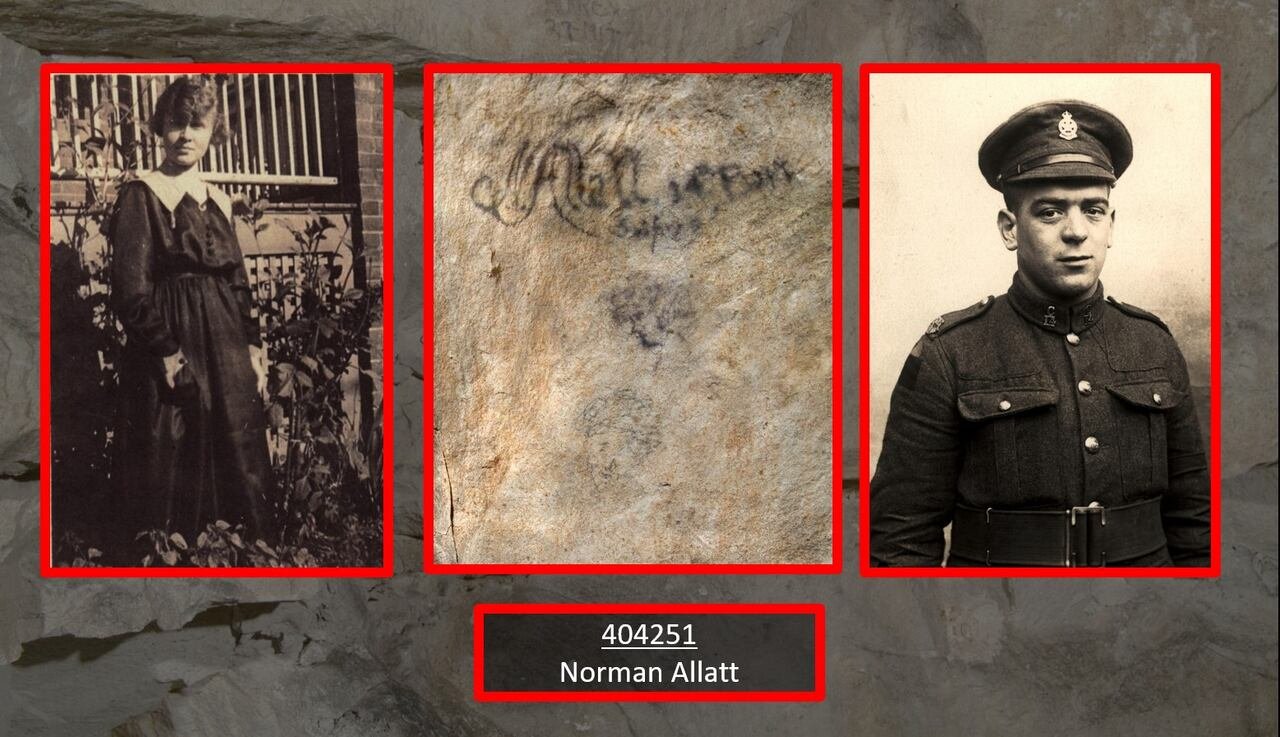


An undiscovered collection of artwork and personal reflections crafted by Canadian soldiers potentially facing their final moments before the battle of Vimy Ridge has surfaced from the soft chalk tunnels beneath the battlefield over a century after their creation.
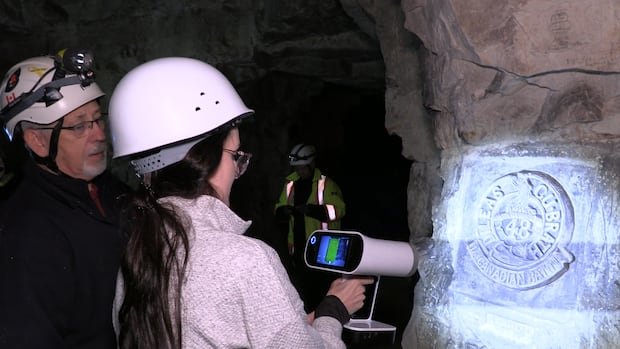
Utilizing advanced technology and enhanced visualization of the tunnel surfaces, a dedicated team of conservationists managed to rescan the location and reveal over 30 new names and narratives that were previously obscured due to fading or inaccuracies.
“It’s truly gratifying,” expressed Zenon Andrusyszyn, the artistic director and founder of the non-profit Canadigm Group, in an interview with CBC News.
Since 2012, the group has been committed to safeguarding these inscriptions, etched in chalk, for posterity, as the fragile underground passages are at risk of collapsing, potentially erasing their historical significance entirely.
A subterranean exhibition of art
The Battle of Vimy Ridge in April 1917 is widely recognized as a pivotal moment in World War I and a defining period for Canada’s national identity. The nation sought to assert itself on the global stage, fostering a sense of unity and purpose that would shape its future.
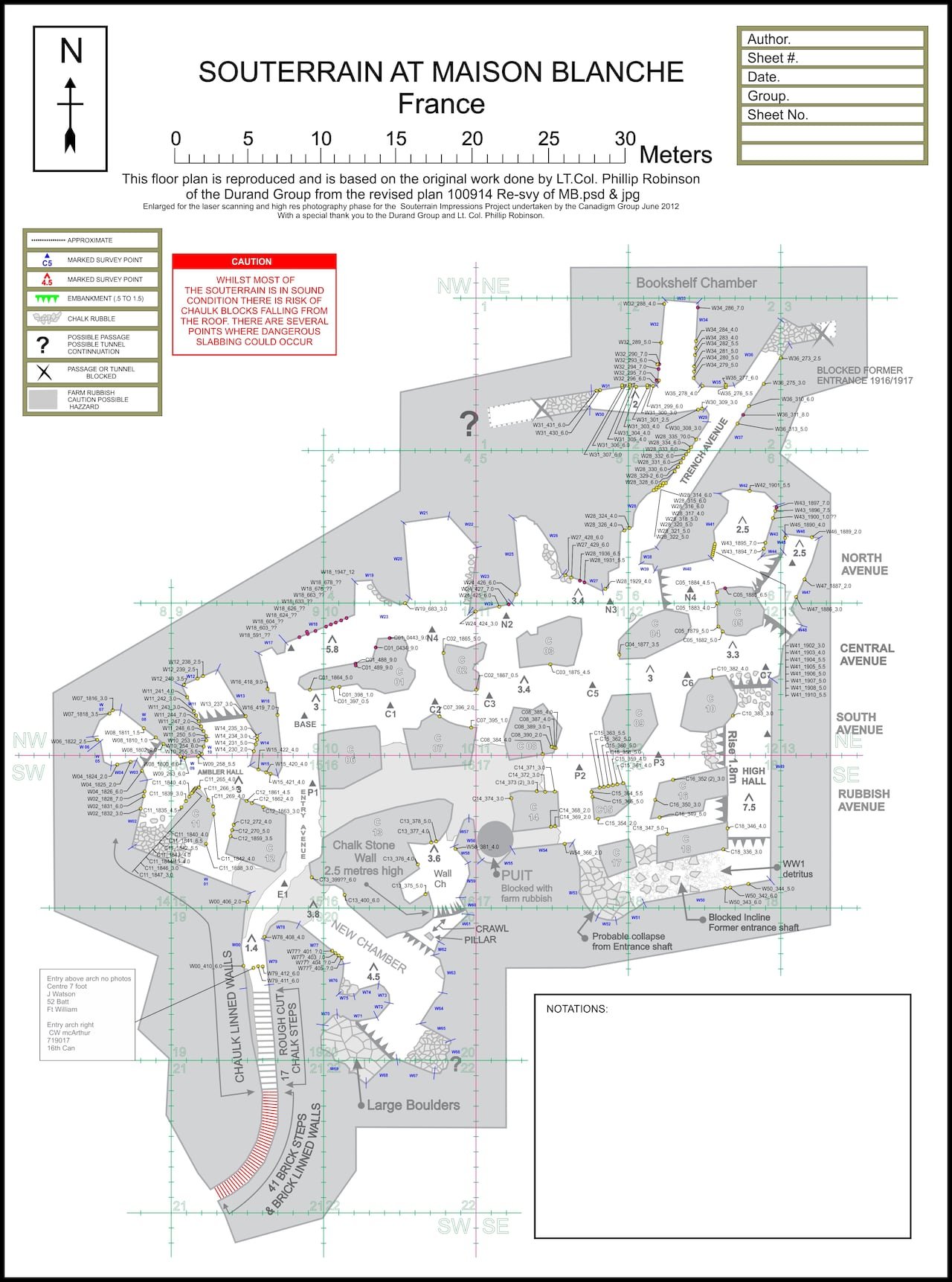
Thousands of Canadian soldiers resided and trained within the labyrinthine caverns, dating back to medieval times, referred to as souterraines, which stretched for kilometers, sometimes just 10 meters beneath the surface, in the weeks leading up to the three-day Vimy Ridge confrontation.
“All these passages were interconnected,” stated Teresa Iacobelli, a First World War historian at the Canadian War Museum in Ottawa. “Thus, provisioning and troop movements were facilitated through this extensive tunnel system.”
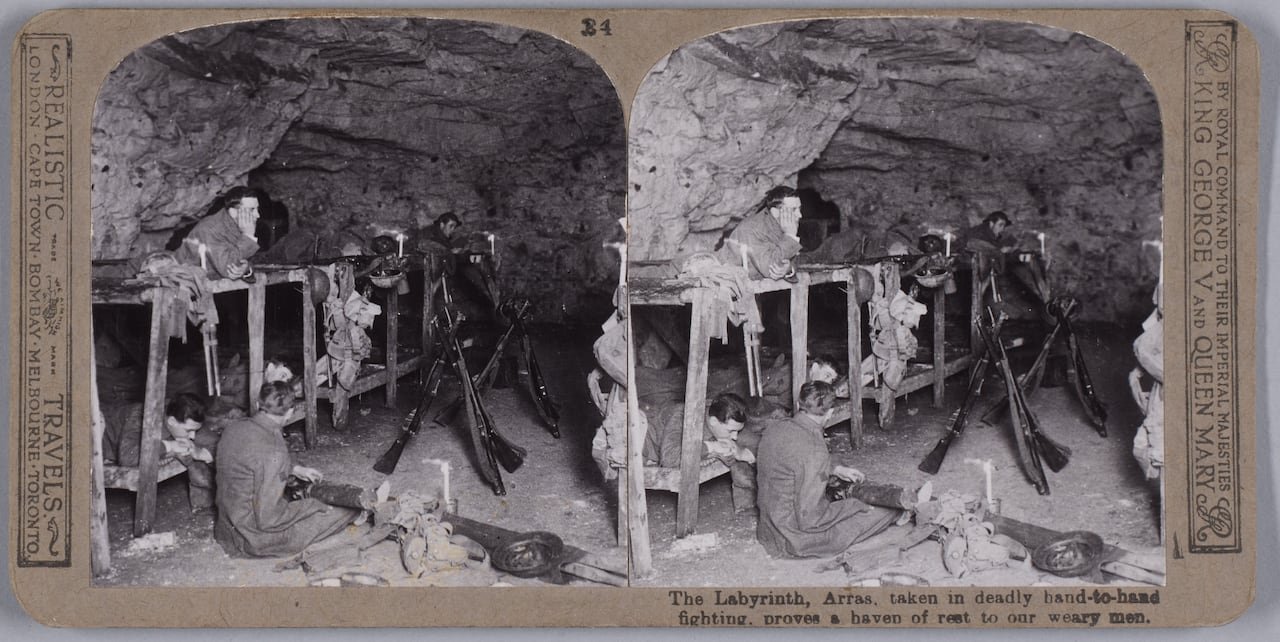
The tunnels provided cover for their movements from enemy detection and shielded them from artillery strikes above ground.
In their moments of anticipation before battle, many soldiers engaged in drawing, carving, and sketching on the soft chalk walls, with some even carving out a makeshift mailbox in the cave to store their letters in case they did not survive the attack.
The outcome is an underground gallery of art, ranging from simple signatures and basic sketches to intricate carvings and portraits.
Revolutionary technology reveals 30 additional names
The recent discoveries by the Canadigm Group were facilitated by handheld 3D laser scanners, a notable advancement from the cumbersome equipment requiring bulky tripods used in previous expeditions.
“The prior scanner only captured the geometry. The new scanner captures both the geometry and the texture of the wall,” explained Dan Mansfield, the project’s technical expert.
Due to this technological leap, Mansfield shared that he “essentially re-examined the entire cave” to uncover any markings that might have been overlooked previously.