

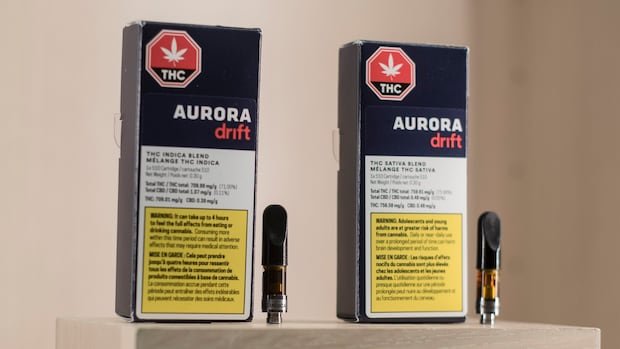

A U.S. cannabis company has expressed interest in acquiring Aurora Cannabis Inc., prompting the Edmonton-based firm to establish a special committee to evaluate the unsolicited bid. Curaleaf Holdings Inc. announced its intention to purchase all shares of Aurora, aiming to create a combined entity operating in 17 countries worldwide. Despite previous attempts to negotiate privately, Aurora’s board declined engagement with Curaleaf after receiving a formal proposal letter on June 23. Curaleaf reiterated its offer on July 7, citing Aurora’s reluctance to participate in discussions.
Curaleaf proposed a deal worth $4 US per share for Aurora’s shareholders, along with an additional $0.75 US cash per share. Aurora acknowledged receiving Curaleaf’s letters but disputed the claim of refusing to engage with the offer. The Canadian company’s lead independent director had ongoing correspondence with Curaleaf’s CEO, emphasizing Aurora’s focus on executing its business plan and maintaining dialogue for potential future discussions.
Aurora plans to convene a special committee of independent directors to assess the bid’s viability and its impact on stakeholders. However, the company stated that there is no assurance of a deal being finalized and will continue normal operations in the interim. Despite Curaleaf’s interest, analysts from TD Cowen believe that the current offer undervalues Aurora’s long-term potential in the market.
Curaleaf’s CEO highlighted the strategic benefits of merging the companies, emphasizing the synergies between Curaleaf’s global distribution network and Aurora’s international medical cannabis operations. The proposed acquisition aims to deliver significant cost savings and enhance shareholder value. The combined revenue of both companies exceeded $1.5 billion US in the past year, with expectations of generating $40 million US in annual cost synergies from the merger.
In conclusion, Curaleaf views the potential merger as mutually beneficial, offering Aurora shareholders a chance to be part of a diversified global platform and capitalize on regulatory opportunities in the U.S. cannabis market.